
Affordable Alternatives to Legendary Rolex Watches in 2026
Updated 2026 · 14 min read
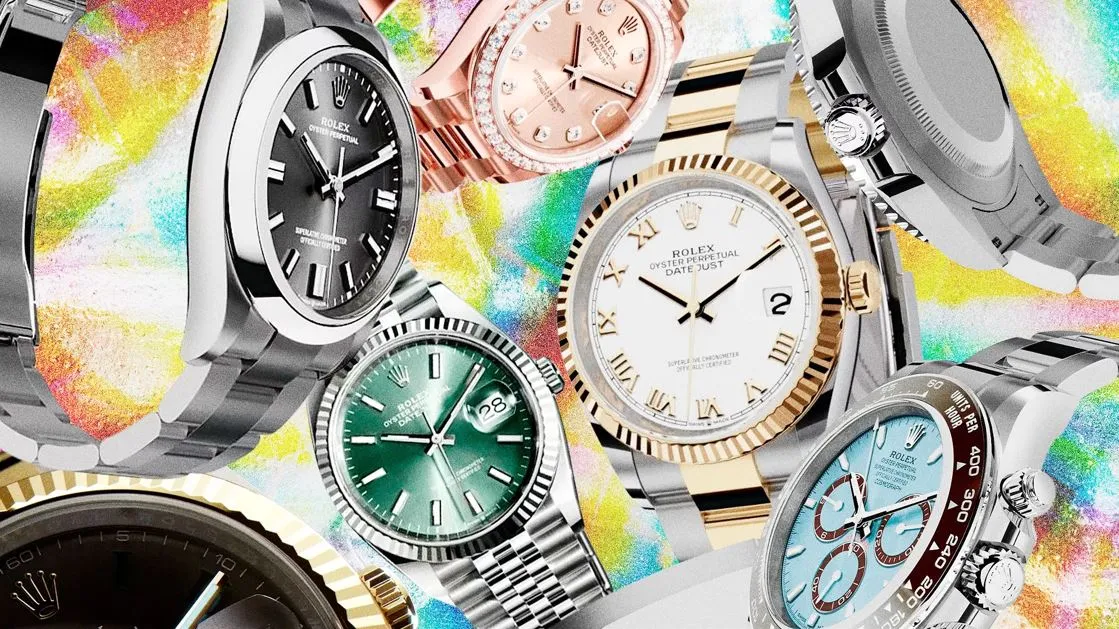
In 1956, Rolex introduced the Day-Date with a retail price equivalent to roughly $3,000 in today's money. In 2026, the entry-level Day-Date in yellow gold starts at $39,650. The Submariner, which originally sold for around $150 in the early 1950s, now starts at $10,100. The Daytona — once so unpopular that dealers couldn't give them away in the 1960s — sells for $15,100 at retail when you can find one, and $25,000–$40,000 on the secondary market when you can't.
Rolex pricing is not accidental. The brand deliberately positions itself at a price point that creates aspiration, limits production to sustain scarcity, and cultivates a secondary market that functions as a form of ongoing advertising. Every time a Submariner trades hands at a premium, it reinforces the narrative that Rolex makes something worth paying for.
This creates a large population of watch enthusiasts who want to experience Rolex design without Rolex prices. The alternatives market for this population is vast, varied, and worth navigating carefully. Not all alternatives are equal. Not all serve the same purpose. Here is a genuine guide to what's available and what each option actually delivers.
The Swiss Homage: Genuine Watchmaking, Different Name
Several Swiss watch manufacturers produce watches that reference — without copying — Rolex designs. These are legal products sold under their own brand names, and at their best they represent genuine watchmaking at accessible prices.
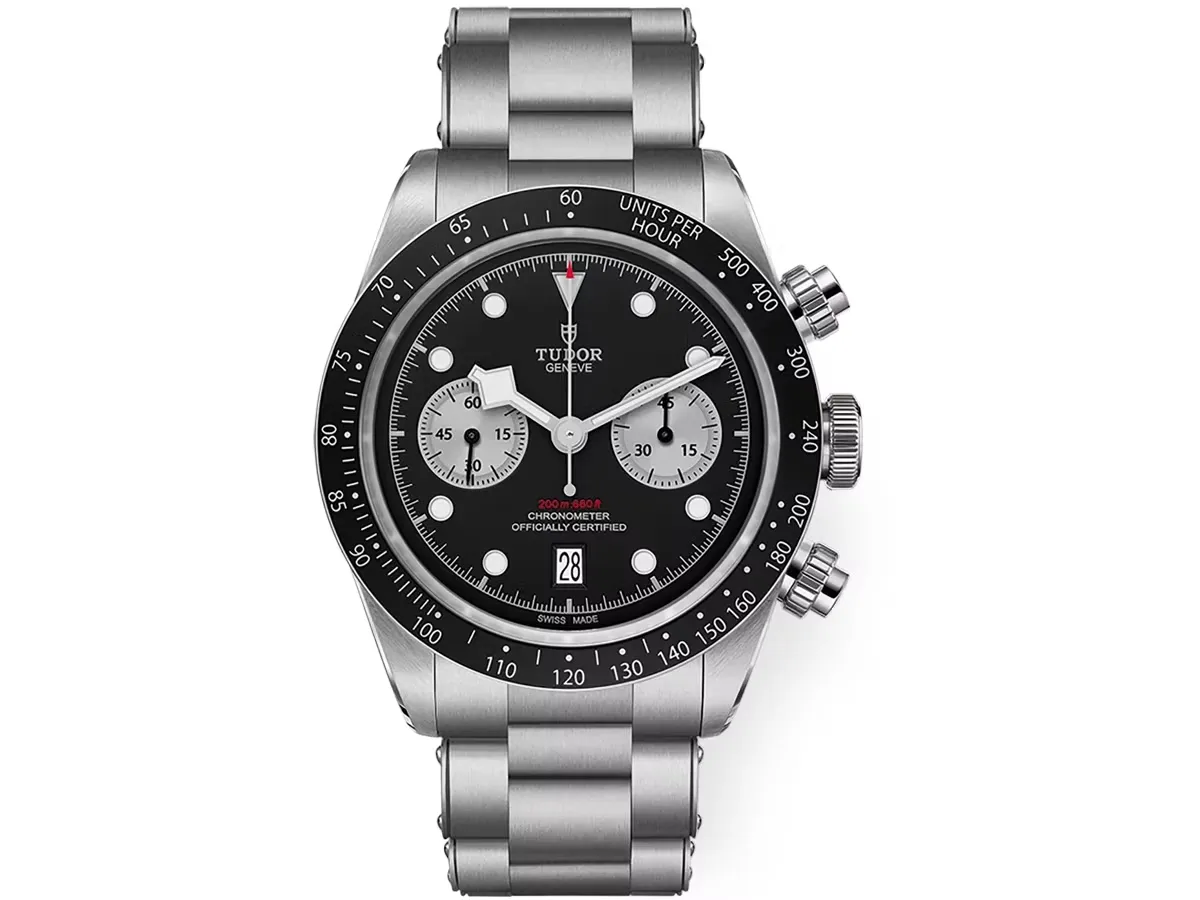
Tudor is the clearest case. Tudor was Rolex's "affordable" brand, founded by Hans Wilsdorf in 1946 specifically to offer Rolex quality at lower prices by using non-in-house movements and less expensive case materials. The Tudor Black Bay is essentially a spiritual descendant of the early Submariner — same case proportions, similar bezel design, comparable build quality — for $1,300–$2,000. Critically, Tudor is now in-house movement equipped, making it genuinely competitive on technical grounds.
Longines' Hydroconquest references the Submariner's dive watch heritage with a 300-meter water resistance rating and rotating bezel for around $900. Seiko's Prospex line offers genuine 200m dive watches at $300–$800. Orient's Kamasu delivers a credible dive watch aesthetic below $200.
The honest assessment of these alternatives: they are good watches. They are not Rolexes. For someone who specifically wants to wear Rolex design — the specific dial layout, the Cyclops lens, the Mercedes hands, the Jubilee bracelet — a Tudor or Longines is a different watch that happens to reference the same category. It doesn't scratch the same itch.
The Pre-Owned Genuine Rolex: Real Value With History
The most underappreciated alternative to buying a new Rolex is buying an older one. Rolex's production quality has been consistent for decades — a Submariner from 2005 has the same fundamental engineering as one from 2026, with the main differences being case size (40mm vs 41mm), bezel material (aluminum vs ceramic), and calibre (3135 vs 3235).
A Submariner 116610LN from 2015 in excellent condition sells for $8,000–$9,500 — at or below current retail, and immediately available without a waiting list. The watch wears identically to a new example. It doesn't have the box and papers (or if it does, that provenance commands a premium), but for a buyer who wants to wear the watch and not sell it, provenance documents are of limited value.
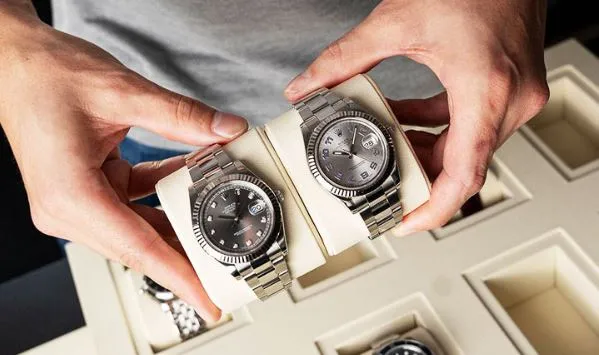
For the Datejust, the pre-owned value proposition is even stronger. Older 36mm Datejusts — references 116200, 116234 — can be purchased for $4,000–$7,000 in excellent condition. They're genuine Rolexes, with genuine Rolex movements, and they wear exactly as the current generation does. The only concession is that the movement is the calibre 3135 rather than the current 3235, which means a 65-hour rather than 70-hour power reserve.
The Super Clone Option: Maximum Rolex, Minimum Budget
For buyers who specifically want the 2026 Submariner's ceramic bezel, the current Datejust's specific dial options, or the newest GMT-Master II Absinthe — and who don't want to spend retail on something unavailable anyway — the super clone market is the pragmatic answer.
The premium super clone market has matured substantially by 2026. Tier-one manufacturers use 904L stainless steel matching Rolex's specification, produce ceramic bezels with correct color and texture, install sapphire crystals with anti-reflective coating, and fit movements that run accurately for years between services. A top-grade super clone Submariner costs $350–$600. A super clone GMT Pepsi or Batgirl costs $400–$700. A super clone Datejust on Jubilee costs $300–$500.
The comparison with the genuine article: a buyer who would otherwise spend $10,100 on a Submariner can instead spend $500 on a super clone and have $9,600 remaining. For a watch they'll wear daily, the visual and functional experience is effectively identical. For a watch they might occasionally remove to show someone the movement or discuss the reference number with another collector — the story is different.
Alternative by Rolex Model Line
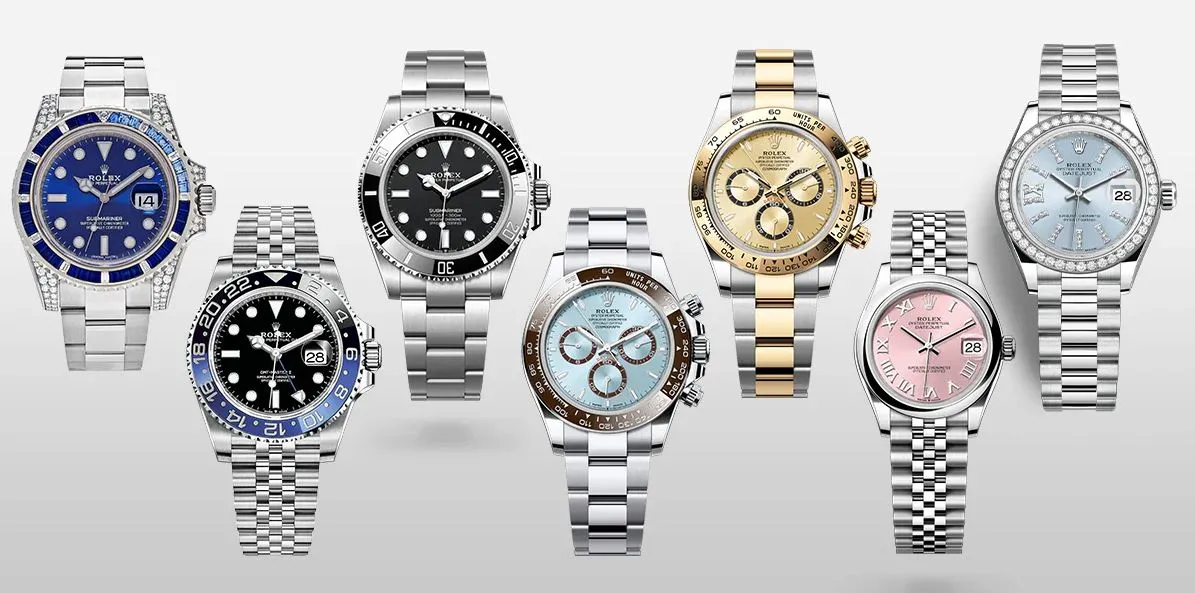
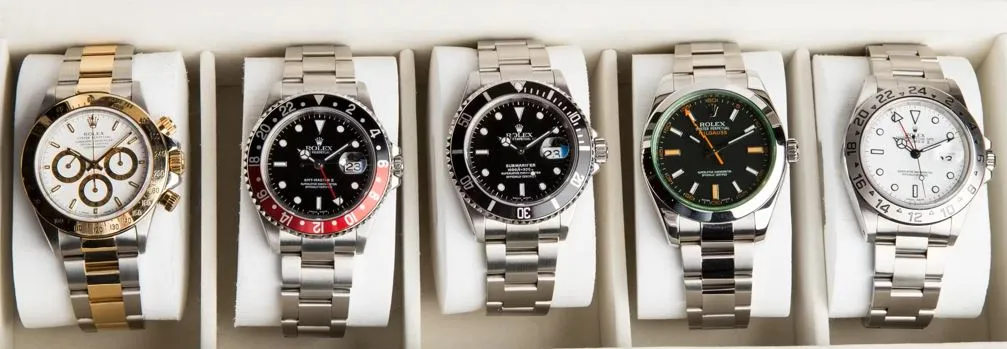
Different Rolex models have different alternatives landscapes. For the Submariner: Tudor Black Bay is the best genuine Swiss alternative; pre-owned Submariner offers real value; super clone is the maximum aesthetic fidelity option at minimum cost. For the GMT-Master II: Seiko's Prospex and Citizen's GMT offerings reference the category; Tudor Black Bay GMT offers a genuine Swiss option; no pre-owned GMT prices below retail for sought-after references. For the Datejust: Longines Flagship Heritage, Orient Bambino, and Tudor Glamour Date are genuine Swiss alternatives; pre-owned Datejusts offer real value below retail.
Making Your Decision
The watch you choose is, ultimately, a reflection of what matters to you about wearing a watch. If manufacturing provenance and investment value matter most, buy genuine — either new from an AD when you get the chance, or pre-owned from a trusted dealer. If the daily experience of wearing a great-looking, well-made watch matters most, a super clone is a rational and honest choice. If Swiss watchmaking credentials at a lower price point matter, Tudor and Longines are genuinely excellent.
None of these choices is wrong. They're different expressions of the same appreciation for exceptional watch design — which, in any form, starts with what Rolex built and continues to build in its Geneva factories.
Explore our super clone collection, read our buying guide for the full quality breakdown, or check our case for super clones if you're still weighing the decision.