
Discovering Super Clone Watches: Premium Timepieces at Accessible Prices
2026 · 16 min read
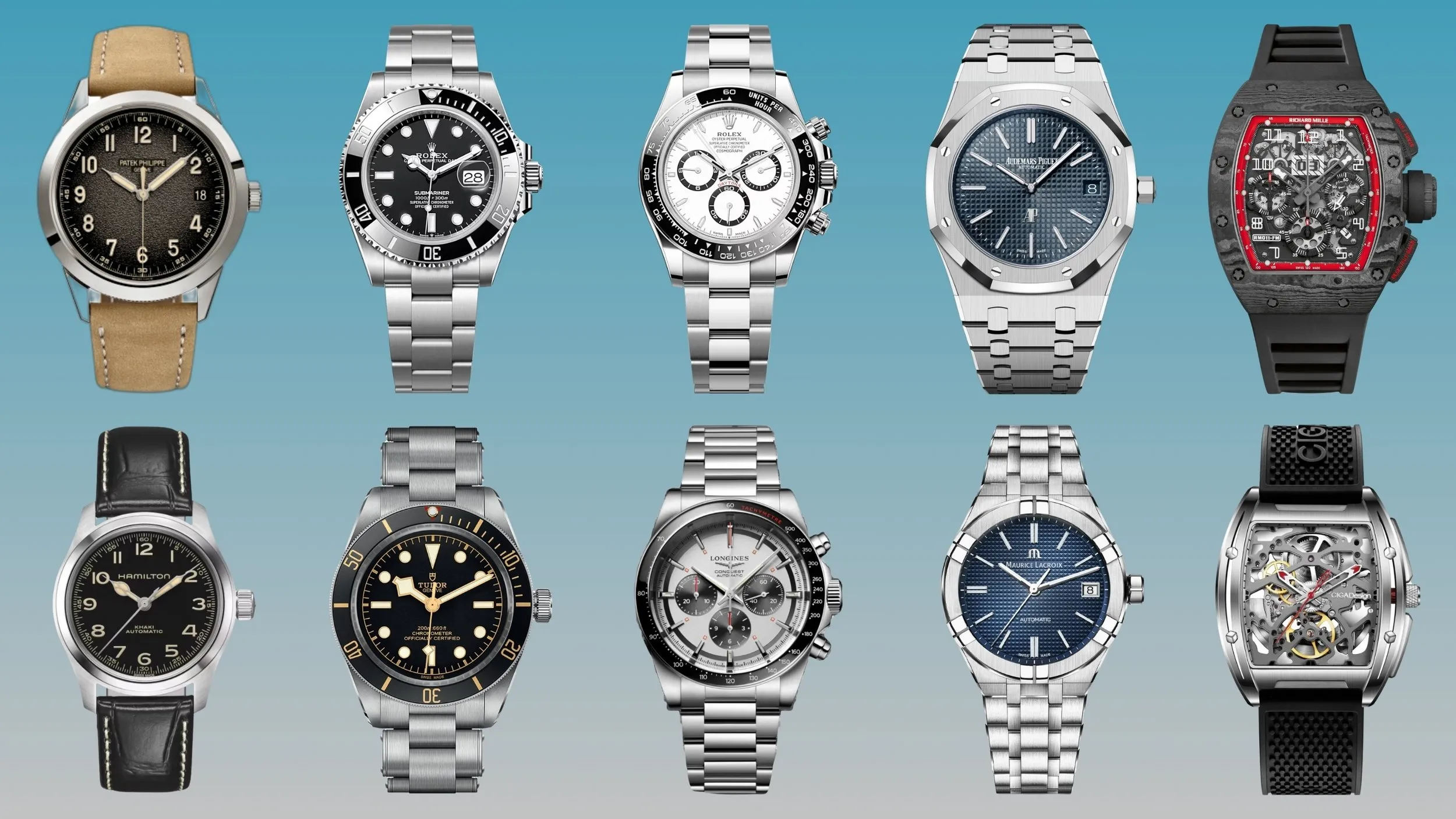
Geneva, 1839. Antoine Norbert de Patek presents his first pocket watch to Tsar Nicholas I of Russia. The Swiss watch industry — already centuries old — pivots toward an emerging global market for precision timekeeping as a status object. By the early twentieth century, wearing a fine watch had become one of the most legible social signals available to a person of means.
That signal has endured. In 2026, a Rolex Submariner on a wrist communicates something specific — an established shorthand for success, taste, and aspiration that requires no explanation. The question that has occupied a generation of watchmakers, collectors, and engineers is: what happens when the signal becomes reproducible?
The answer is what the industry now calls the super clone — a category of replica watches that has, over the past decade, transformed from crude imitation into something genuinely sophisticated. This guide explores what super clones are, how they differ from ordinary replicas, and what the category means for anyone interested in luxury watches.
The Replica Spectrum: From Toy to Masterwork
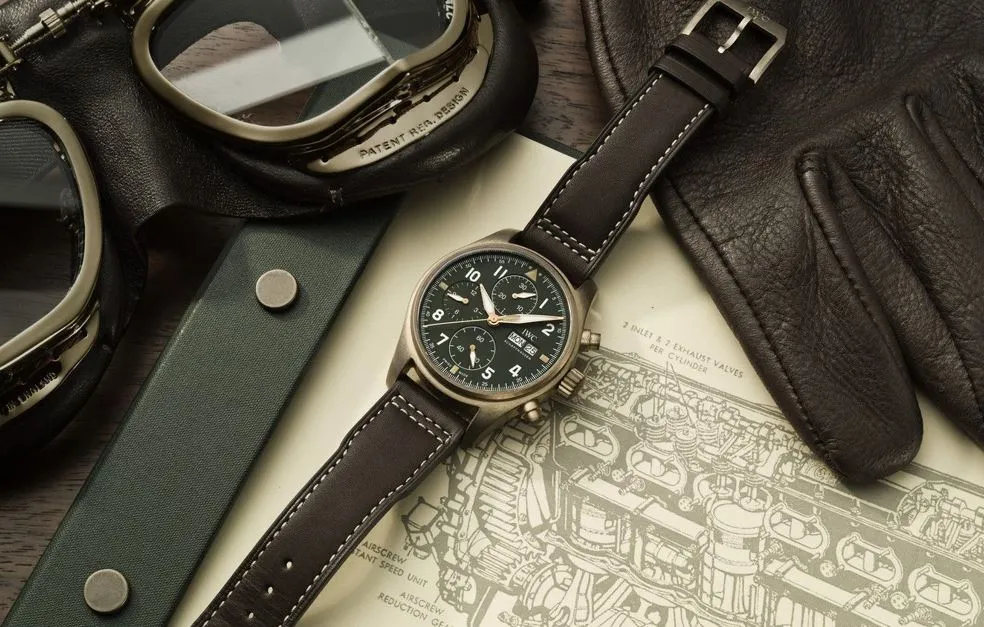
Not all replicas are created equal — a statement that needs emphasis because the word "replica" covers an enormous range. At one end of the spectrum: watches sold in tourist markets for ten dollars, with plastic crystals, quartz movements, and cases that bear only surface resemblance to their inspiration. These are novelty items. No serious person confuses them for the genuine article, and no serious person pretends otherwise.
Moving up the spectrum, the quality and price increase incrementally through several tiers — better movements, better finishing, better materials — until arriving at what the market calls "super clones." The term emerged organically from collector forums in the early 2020s to describe replicas that had crossed a qualitative threshold: watches built with the same materials, similar manufacturing processes, and equivalent specifications to the originals they replicate.
A super clone Rolex Submariner uses 904L stainless steel — the same superalloy Rolex uses, harder and more corrosion-resistant than standard 316L. It uses a genuine ceramic bezel insert, sintered at high temperature, with the same hardness as Rolex's proprietary Cerachrom. The crystal is sapphire, coated with anti-reflective treatment on both surfaces. The movement is a calibre-specific clone, built to match the architecture and performance of the genuine Rolex 3235.
This is not imitation in any ordinary sense. It is parallel manufacturing — the application of equivalent engineering to produce an equivalent object.
Why Super Clones Exist: The Scarcity Gap
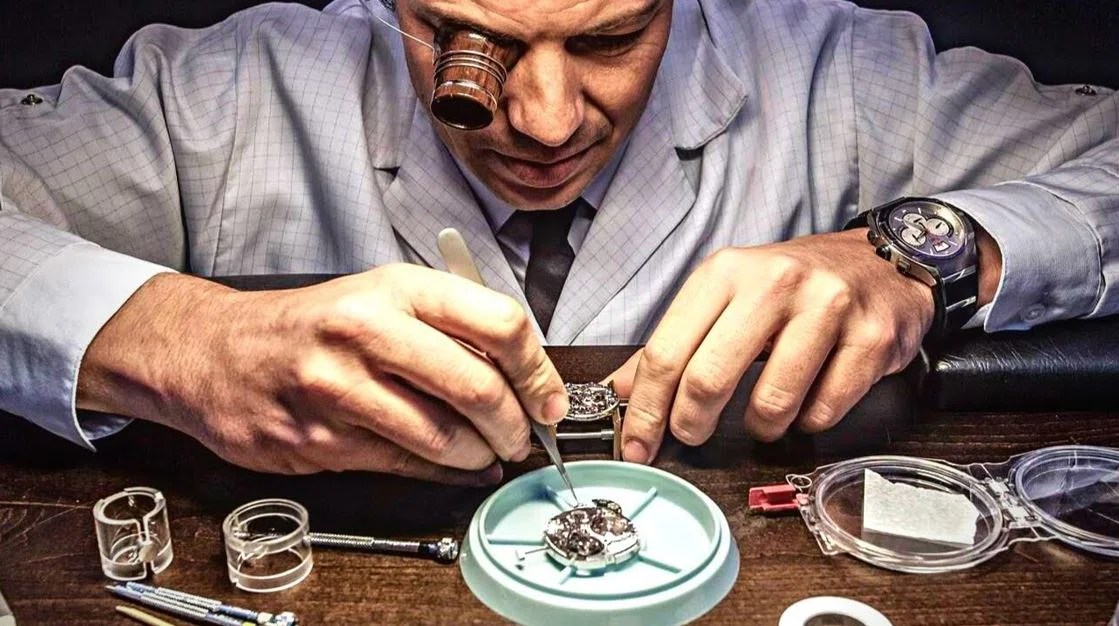
Understanding why super clones exist requires understanding what Rolex has done to its own distribution. Rolex produces approximately one million watches per year across its entire catalogue — a number that sounds large until you consider that authorized dealers worldwide receive allocations far below the demand they face. The most popular references — Submariner, GMT-Master II, Daytona — have waiting lists at most authorized dealers ranging from one to five years.
This scarcity is not accidental. Rolex has made a deliberate strategic choice to produce fewer watches than the market demands. The result is a permanent supply deficit that maintains price premiums on both the primary market (retail) and the secondary gray market, where premium above retail prices typically range from 20% to several hundred percent for the most desirable references.
For many buyers, the genuine Submariner is not a practical option — not because they cannot afford the retail price, but because retail access is controlled by purchase history requirements and waiting lists that can stretch for years. The alternative is the gray market, where immediate availability comes at a significant premium. Or it is no Submariner at all.
The super clone market fills this gap directly. It offers the experience of wearing an excellent Rolex-quality watch — the visual identity, the wrist presence, the mechanical sophistication — without the provenance premium that drives the genuine article's price.
The Manufacturing Reality: How Super Clones Are Made
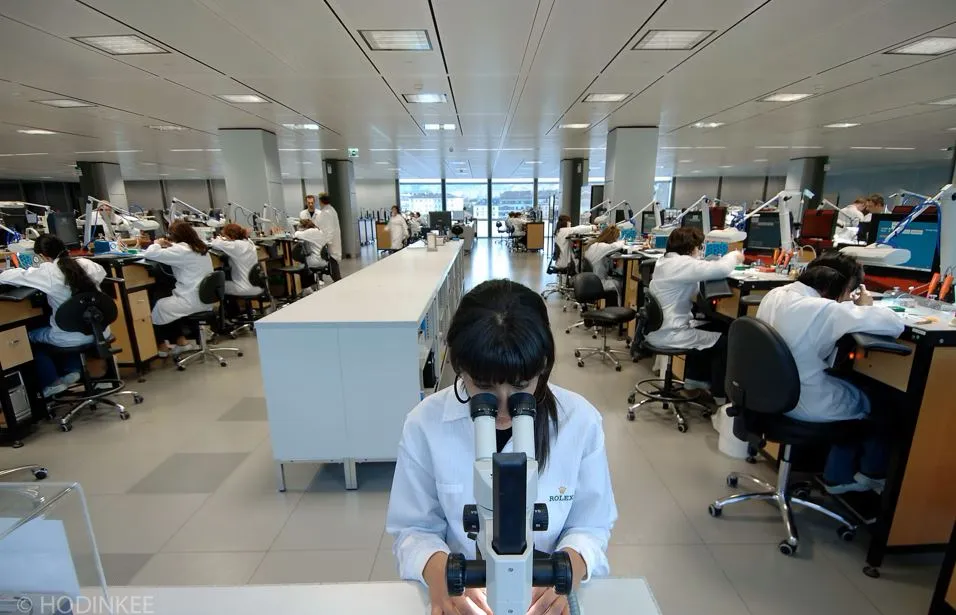
Super clone watches are manufactured primarily in China, in facilities that have invested heavily in Swiss-equivalent production technology over the past decade. The manufacturing journey mirrors genuine Rolex production more closely than most people realize.
Cases are machined from 904L steel on CNC centers capable of maintaining tolerances in the hundredths of millimeters. Bezel inserts are produced through genuine ceramic vacuum sintering processes — the same fundamental technology that Rolex uses for Cerachrom. Crystals are grown synthetic sapphire, coated with multi-layer anti-reflective treatment. Dials are produced through multi-step electroplating and printing processes that replicate the depth and finish of genuine Rolex dials.
Movements — the most technically challenging component — are produced by specialist movement manufacturers who have spent years developing calibre-specific clones. The best super clone movements are not generic Chinese ebauches repackaged in Rolex architecture; they are purpose-built movements designed to match the specific geometry, performance, and visual appearance of the genuine calibres they replicate.
Final assembly and quality control at top-tier manufacturers involves individual inspection of each watch against specification — checking crown function, timing accuracy, bezel engagement, bracelet articulation, and water resistance. This is not mass-market production; it is small-batch precision assembly.
What Super Clones Get Right — And What They Don't
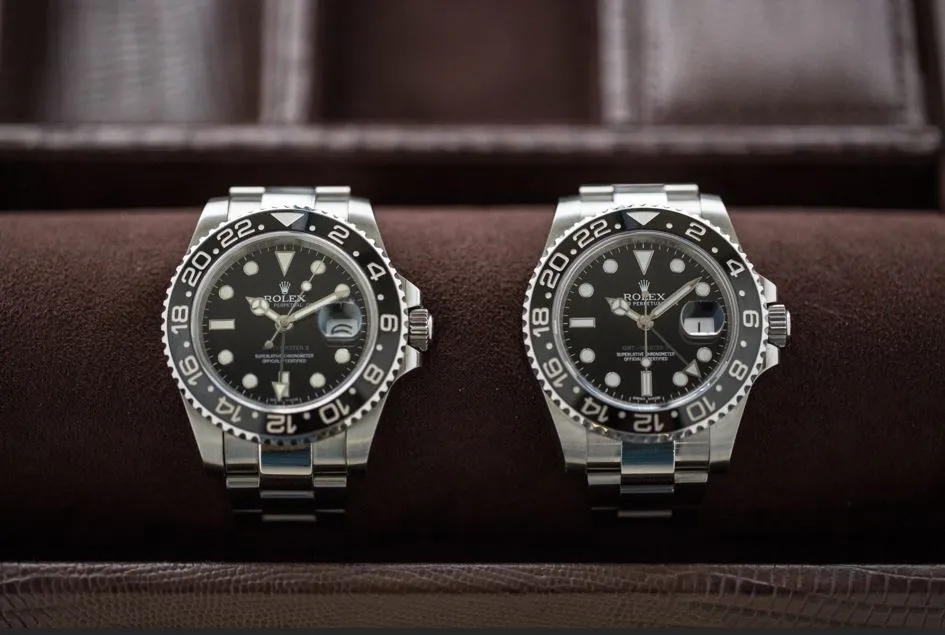
Intellectual honesty requires acknowledging both what super clones achieve and what they do not. The best versions are genuinely impressive objects. But they are not genuine Rolexes, and the differences — while subtle — are real.
What super clones get right:
- Visual identity — correctly proportioned cases, accurate dial printing, correct color profiles
- Materials — 904L steel, ceramic bezels, sapphire crystal
- Wrist presence — correct weight, drape, and feel of the bracelet
- Timekeeping — modern clone movements keep time within daily accuracy suitable for everyday use
- Durability — quality ceramic and steel construction that withstands normal wear
- Water resistance — typically rated to the same depth as the genuine reference
Where super clones fall short:
- Provenance — no manufacturer's guarantee, no authorized service network
- Resale value — replicas do not appreciate in value; genuine Rolexes often do
- Movement longevity — genuine Rolex calibres are built to last decades with regular service; clone movement longevity is less established
- Authentication — the watch cannot be verified as genuine by any authentication service
- Detail perfection — under significant magnification, microscopic finishing differences become apparent
The Buyer's Mindset: Who Should Consider Super Clones
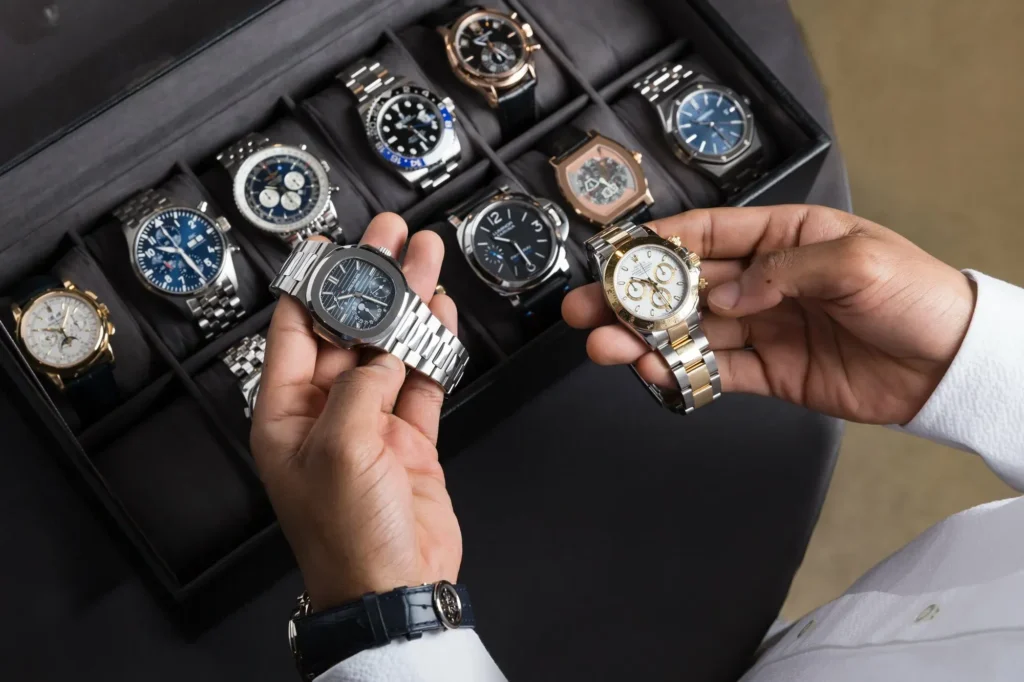
The super clone market has moved well beyond the profile of someone buying a cheap fake to impress people. In 2026, the typical super clone buyer is a watch enthusiast who understands exactly what they're purchasing — someone who has studied the genuine references, understands the quality differences, and makes a deliberate choice based on their priorities.
Super clones make most sense for buyers who:
- Want the daily experience of wearing an excellent Rolex-design watch without the genuine article's price
- Are evaluating whether a particular reference suits them before committing to an eventual genuine purchase
- Want to wear a specific reference in active or high-risk environments where a genuine Rolex would be imprudent
- Are collectors who want to expand the breadth of their collection economically
- Simply prefer to allocate resources differently — choosing experiences, investments, or other priorities over luxury goods' provenance premium
They are not ideal for buyers who:
- Value the investment aspect of genuine Rolex ownership
- Participate in watch communities where authentication matters
- Will rely on the manufacturer's warranty and authorized service network
- Are purchasing as gifts for situations where authenticity will be scrutinized
The Current Market: What's Available in 2026
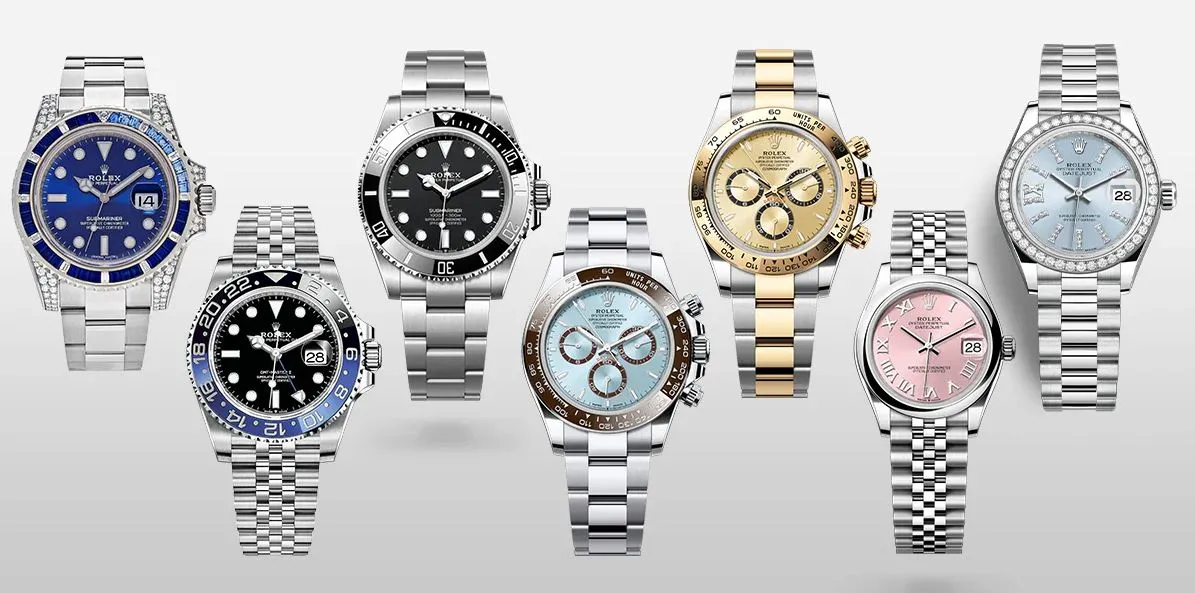
The 2026 super clone market covers essentially the full range of current Rolex production. The Submariner, GMT-Master II, Daytona, Datejust, Day-Date, Yacht-Master, Explorer, and Sea-Dweller all have super clone representations at the top tier. Specialized references — the Milgauss, the Sky-Dweller, the Cellini — exist at lower volumes but are available from specialist manufacturers.
New Rolex references are now typically replicated within six to twelve months of their genuine introduction — a timeline that has compressed dramatically from the several years it once required. The 2022 Sprite GMT, the 2023 updates to various Datejust references, and the 2024 new colorways all have super clone versions available in 2026.
Explore our full collection by reference: Submariner, GMT-Master II, Daytona, Datejust, Day-Date. For purchasing guidance, see our complete buying guide.
The discovery of super clone watches is, for many buyers, the moment when a watch they've admired from a distance becomes genuinely accessible. The experience of wearing one — the weight, the mechanical presence, the design that has been refined over decades — is real regardless of where and how it was manufactured. That experience is what super clones sell. Whether it's the right purchase for you depends on what you value. But in 2026, the quality is real.