
How to Care for Your Super Clone Rolex — Expert Maintenance Tips for 2026
Updated for 2026 · 16 min read
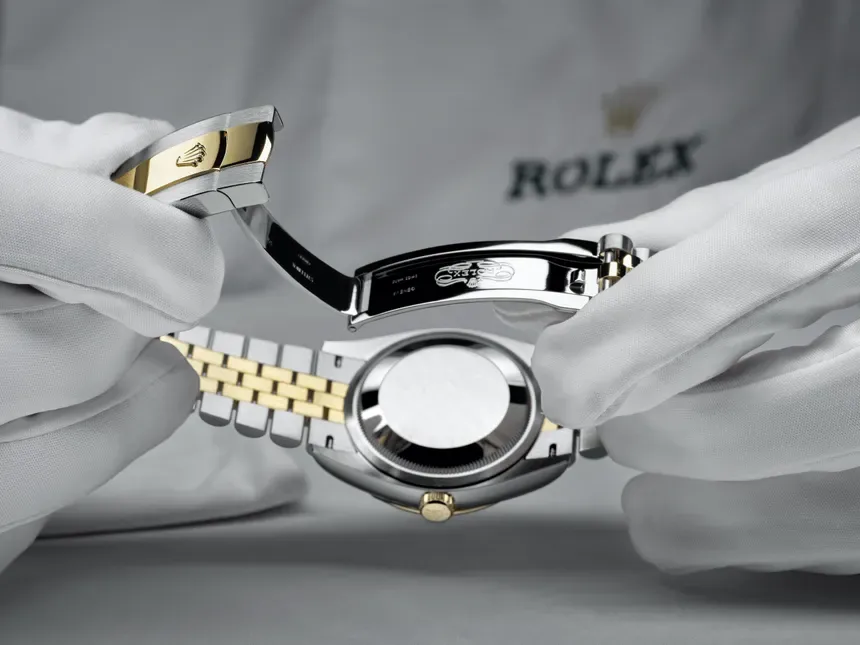
A watchmaker at the Rolex manufacture in Geneva once described their service philosophy in simple terms: "A Rolex should last a hundred years. Our job is to make sure it does." The watches are stripped to their component level, every part inspected against tolerance specifications, worn parts replaced, surfaces refinished, movements recalibrated. The entire process takes weeks and produces a watch indistinguishable from new.
Your super clone Rolex will not receive that treatment. But it doesn't need to. With the right care approach — cleaning, storage, handling, and periodic maintenance from an independent watchmaker — a quality super clone can look sharp and run accurately for years of daily wear. The difference between a super clone that looks tired after two years and one that still looks excellent after five often comes down entirely to how the owner treats it.
This guide covers everything you need to know.
Daily Wearing Habits: The Small Decisions That Matter
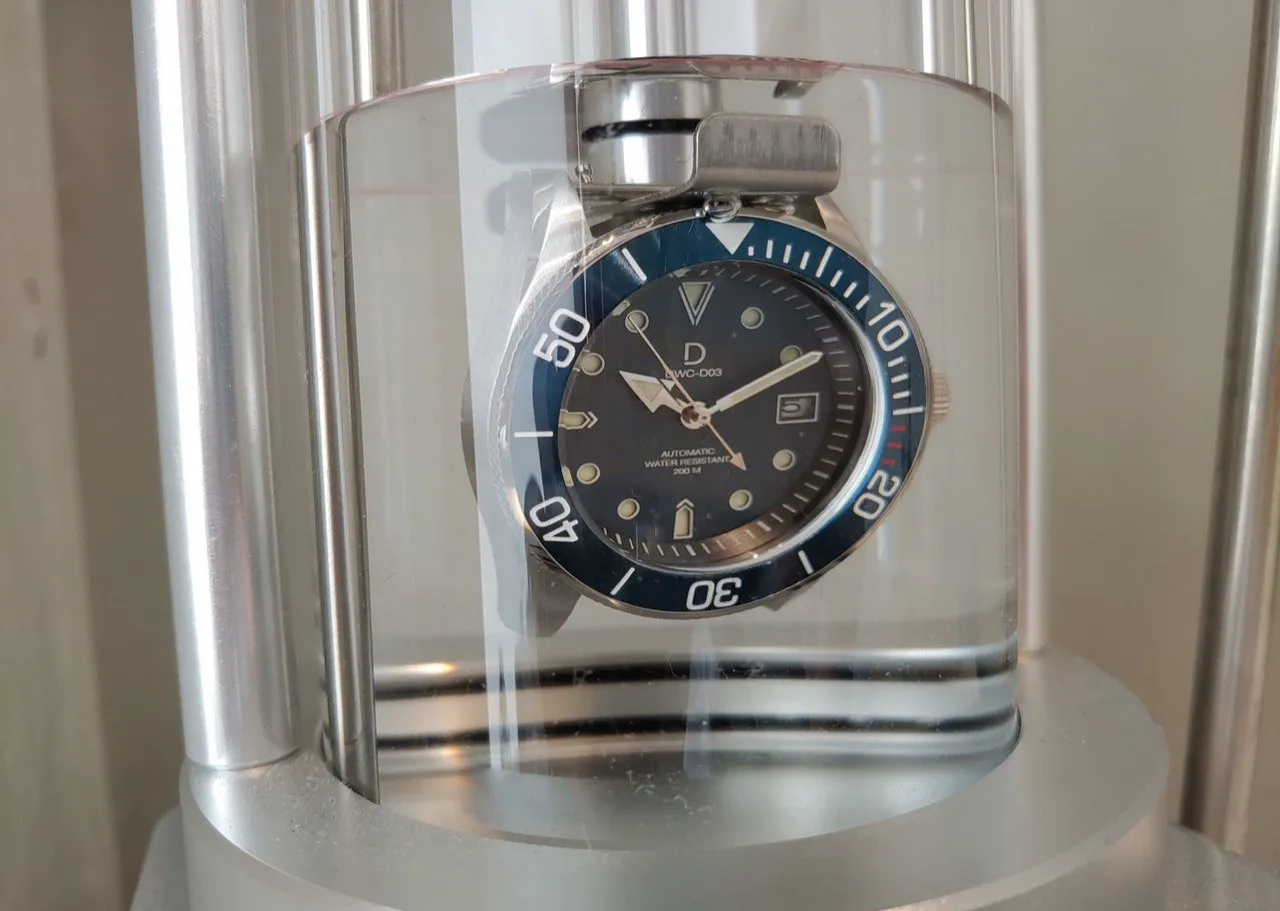
Most watch damage is accidental — a knock against a door frame, a splash of chlorinated pool water, months of sweat accumulating in the bracelet. The best maintenance is the preventive kind.
Water exposure: Premium super clones are rated to varying water resistance levels, but there is an important caveat: unlike genuine Rolex watches, super clone gaskets may not maintain their integrity as long as genuine Rolex seals. If you plan to swim or shower regularly with your super clone, ensure the crown is fully screwed down before any water exposure, and have the water resistance tested annually by a watchmaker. Chlorine from pools is particularly harsh on rubber gaskets — it degrades them faster than saltwater.
Chemical exposure: Perfumes, hand lotions, sunscreen, and cleaning agents can affect the bracelet finish, the gaskets, and — over time — even the dial printing. Put your watch on after applying these products, not before. This is not super-clone-specific advice; it applies to any watch at any price point.
Magnetic fields: Modern automatic movements — including the clone calibers used in super clones — are susceptible to magnetization if exposed to strong magnetic fields. Phone speakers, laptop speakers, airport security conveyor belts, and MRI machines can all magnetize a movement, causing it to run fast. If your watch suddenly gains significant time per day, magnetization is the likely cause. Any watchmaker can demagnetize a movement in minutes.
Impact protection: Super clone cases, while made from 904L steel in premium variants, are not indestructible. A sharp impact on the crystal can crack it; a knock on a door frame at the right angle can scratch the case deeply. Common-sense avoidance of hard impacts extends the life of the watch significantly.
Cleaning Your Super Clone: The Right Method
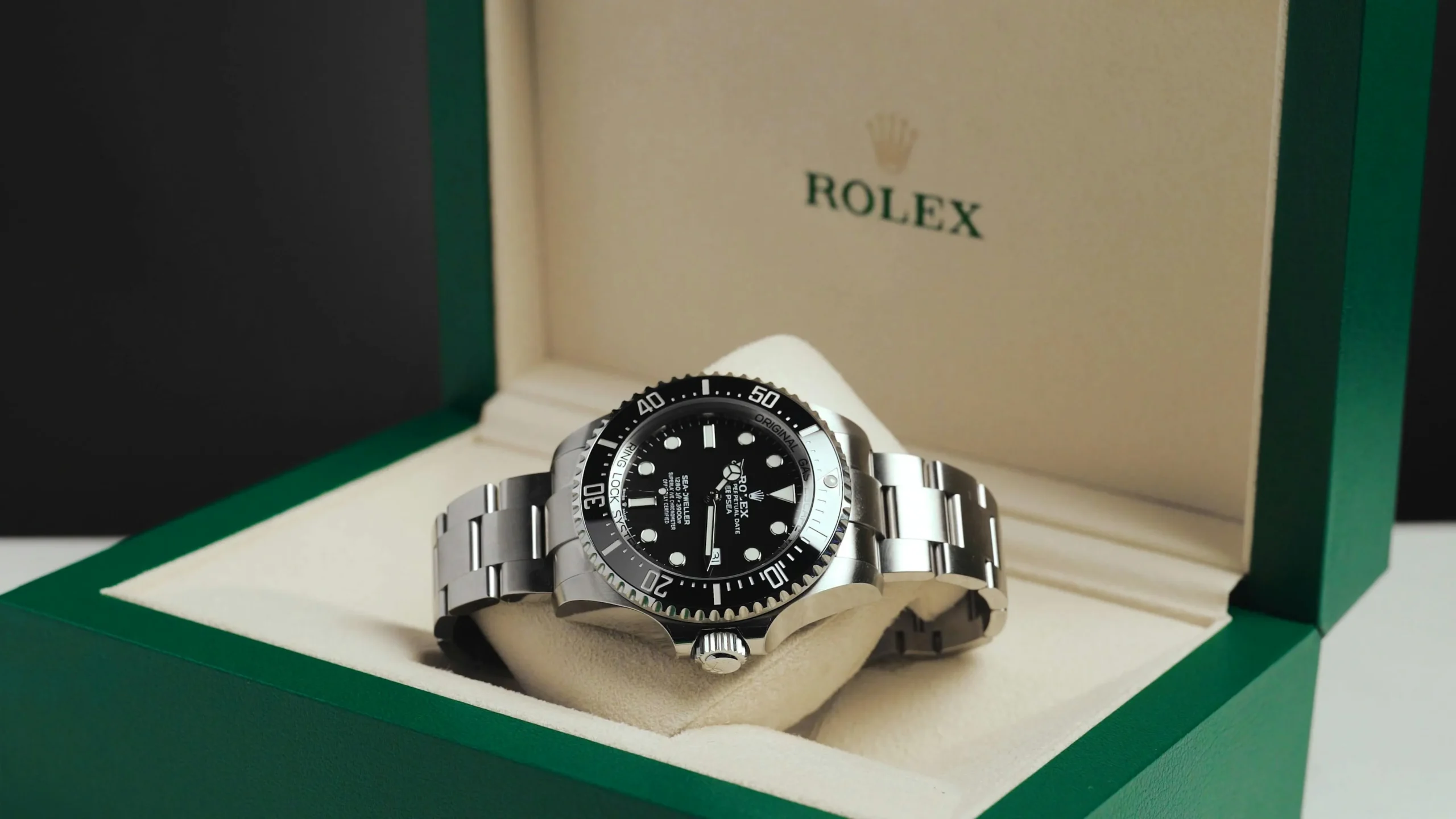
Regular cleaning is the single best thing you can do to maintain the appearance of your super clone. Sweat, skin oils, and environmental dust accumulate in the bracelet links and between the case and bezel, creating buildup that dulls the finish and can eventually cause irritation.
Weekly quick clean: With the crown fully screwed down, use a soft damp cloth to wipe the case and bracelet. For the bracelet links, a soft toothbrush dipped in warm water with a drop of dish soap works excellently — work the bristles into the gaps between links, then rinse with clean water and pat dry with a microfiber cloth. Never use abrasive cleaners or rough materials.
Monthly deep clean: For a deeper clean, use an ultrasonic cleaner with watch cleaning solution if you have access to one. These are available from watchmaking supply stores for reasonable cost and make an enormous difference in the long-term appearance of a metal bracelet. Most watchmakers will also deep-clean a bracelet as part of a service.
What to avoid: Never use steam cleaners — the pressure and heat can penetrate seals. Never use abrasive polishing cloths on the brushed surfaces of the case or bracelet — they will convert brushed surfaces to polished ones, which is irreversible without professional refinishing. Never submerge the watch for extended periods if you have any doubt about the water resistance integrity.
The Crown: Your Watch's Most Vulnerable Point
The crown is the most mechanically stressed component of any watch. On Rolex-style designs, the screw-down crown is both a water resistance mechanism and a setting control — and it receives more handling than any other part of the watch.
Always screw the crown fully down after setting the time or date. This means threading it clockwise until it seats firmly against the crown tube — you should feel a slight resistance as the gasket compresses. Do not over-tighten; you want the gasket compressed, not crushed. On genuine Rolex watches, the crown tube uses threaded profiles of extraordinary precision; super clone versions approximate this, but the threads may be less durable over years of use.
If the crown becomes difficult to thread — requiring more than light pressure — do not force it. Take the watch to a watchmaker. The likely cause is either debris in the threads or a slightly damaged crown tube. Forcing a damaged crown can drive debris into the movement.
Keeping Your Bracelet in Top Condition
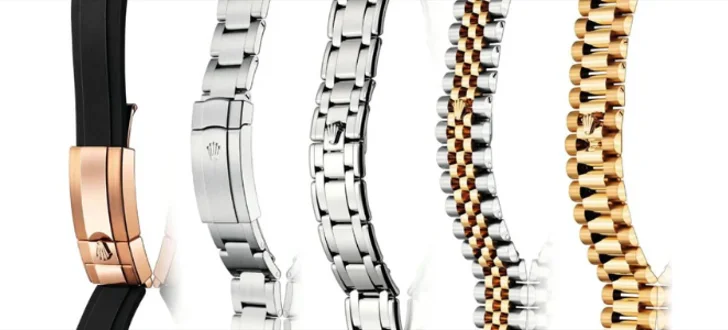
The bracelet takes more daily abuse than any other part of the watch. It flexes thousands of times per day, contacts surfaces, absorbs sweat, and accumulates debris in every link joint. Keeping it clean and properly adjusted is essential to both appearance and comfort.
Clasp maintenance: The clasp on super clone bracelets uses a folded clasp mechanism similar to the genuine Oysterclasp. Keep it clean and periodically add a tiny drop of light machine oil to the hinge points if it feels stiff. A dry, stiff clasp wears faster and feels worse.
Link removal: If the bracelet is too long, remove links rather than wearing it loose. A loose bracelet moves more, contacts surfaces more, and stretches more quickly. Most watchmakers will remove or add links for a small fee. If you do it yourself, use the proper spring bar tool and follow the specific process for the clasp type.
Stretched bracelet: Over years of wear, bracelet links stretch slightly, creating play between links and a "floppy" feel. This is normal and affects all metal bracelets — genuine Rolex included. A watchmaker can compress the links to reduce stretch; alternatively, a replacement bracelet is usually available from the original supplier.
Movement Service: When and What to Expect
The movement inside your super clone requires periodic service — but less frequently than you might expect. Modern automatic movements, properly lubricated at manufacture, can run for 5–10 years between services under normal conditions. A service typically involves disassembly, cleaning of all parts, replacement of worn components, relubrication, reassembly, and regulation.
Signs that your super clone movement needs service:
Significant accuracy change: If a watch that previously kept good time starts gaining or losing more than 30 seconds per day, the movement likely needs attention. Small accuracy changes are normal with temperature variations; large changes indicate a mechanical issue.
Stopping when not in use: An automatic movement should run for at least 40 hours from a full wind. If your watch stops after only a few hours off the wrist, the mainspring or winding mechanism may need service.
Rough winding: Manual winding should feel smooth. Rough, scratchy, or inconsistent winding indicates wear in the winding train.
Finding a watchmaker willing to service a super clone is straightforward — many independent watchmakers work on any movement regardless of origin. The movement is a mechanism; they service mechanisms. Call ahead, describe the watch honestly, and confirm they work on "non-branded movements." Most will say yes.
Storage: Protecting Your Watch When You're Not Wearing It
When you're not wearing your super clone, storage matters. The greatest threats are physical impact, magnetic fields, and extreme temperature changes.
Watch box or roll: Store your super clone in a watch box or watch roll that cushions it from impacts and keeps it dust-free. The case the watch arrived in is fine if it provides adequate cushioning.
Watch winder: If you have multiple watches and rotate between them, a watch winder keeps the automatic movement running while you're not wearing the watch. This prevents the lubricants from thickening through inactivity. Set the winder to the correct turns-per-day and direction for your specific movement.
Temperature and humidity: Store watches away from extreme heat (hot car interiors, direct sunlight) and high humidity (bathroom medicine cabinets). Consistent, moderate conditions are ideal.
Polishing and Refinishing: The Most Consequential Decision
At some point, your super clone will develop scratches. How you respond to this is one of the most consequential maintenance decisions you'll make.
Polishing a watch case removes metal. When you polish a scratch out, you are removing enough material to level the surrounding surface to the depth of the scratch. Over time, repeated polishing rounds the edges of lugs, softens the transitions between polished and brushed surfaces, and changes the geometry of the case. Many vintage Rolex collectors consider over-polished cases a significant flaw because polishing literally removes the history of the watch.
Our recommendation: develop a tolerance for minor scratches. A few shallow case scratches on a sports watch are not defects — they are evidence of use. If you have a deep scratch on a highly visible surface that truly bothers you, consult a watchmaker about targeted refinishing rather than blanket polishing.
Never polish a brushed surface with a polishing cloth — the result is a permanently altered finish that cannot be undone without professional equipment.
The Long-Term Perspective
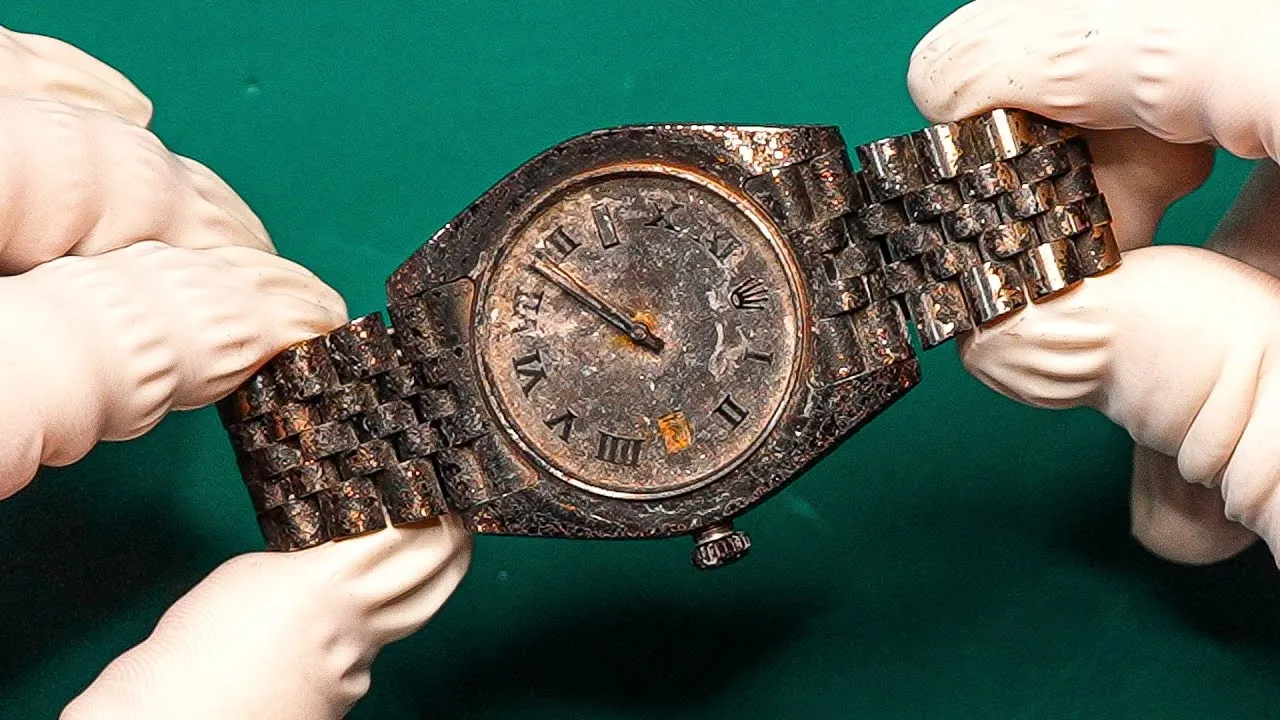
The watchmakers at the Geneva manufacture who build watches to last a hundred years are working with tolerances and materials that super clone manufacturers approximate but do not fully match. A genuine Rolex, properly maintained, can genuinely outlast its owner. A quality super clone, properly maintained, can look excellent and run accurately for a decade or more of daily wear.
That is a reasonable lifespan for a watch at any price point. It requires only what every watch requires: regular cleaning, careful handling, and periodic professional attention when the movement tells you it's time.
The watch on your wrist represents a specific kind of value — not the investment value of a genuine Rolex, but the experiential value of wearing a well-made, beautiful object that keeps accurate time. Taking care of it properly honors that value.
For more information on the super clone market and what makes the best examples, see our complete buying guide and our guide to the rise of super clone watches.