
How to Purchase a Rolex Watch in 2026: The Complete Guide
Updated 2026 · 16 min read
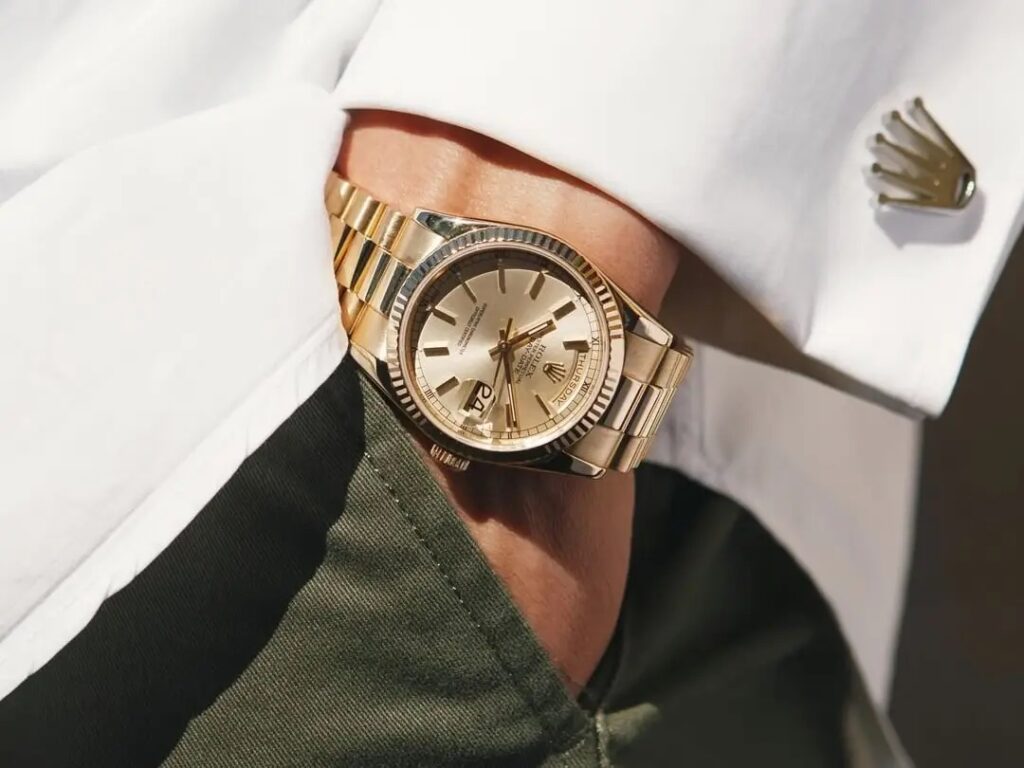
In 1978, you walked into a jewelry store, pointed at the Submariner in the display case, paid the price on the tag, and walked out wearing it. The entire transaction took perhaps twenty minutes. The watch was available because Rolex produced them in sufficient quantity to meet demand, and because the waiting list system that now defines Rolex retail hadn't yet been invented. The gray market barely existed. Speculation was limited to a handful of vintage dealers.
Forty-eight years later, purchasing a Rolex is one of the more Byzantine retail experiences in the consumer goods world. Authorized dealers operate waiting lists that never seem to clear. Popular references require "purchase history" — meaning you need to have already spent significant money at that AD to be considered for allocation. The secondary market runs at premiums that sometimes reach 100% of retail for in-demand pieces. And a growing number of buyers are turning to the super clone market as a rational response to a system that seems designed to exclude them.
This guide covers all of it.
Route One: The Authorized Dealer
The authorized dealer (AD) is still the preferred purchase channel for genuine Rolexes. Buying from an AD means buying new, with manufacturer's warranty, from a vetted retailer with a relationship with the brand. If anything goes wrong with your watch within the warranty period, the process is straightforward. You also receive the full Rolex box, documentation, and warranty card — which matters significantly for resale value.
The challenge is getting the watch you want. The allocation system works roughly as follows: Rolex distributes a fixed number of watches to each authorized dealer annually. Popular sports references — Submariner, GMT-Master II, Daytona, and now the Land-Dweller — receive dramatically less allocation than demand requires. ADs typically offer these pieces to their best customers first, which in practice means customers who have spent more money and purchased watches that dealers consider easier to sell (Datejusts, Day-Dates, less popular references).
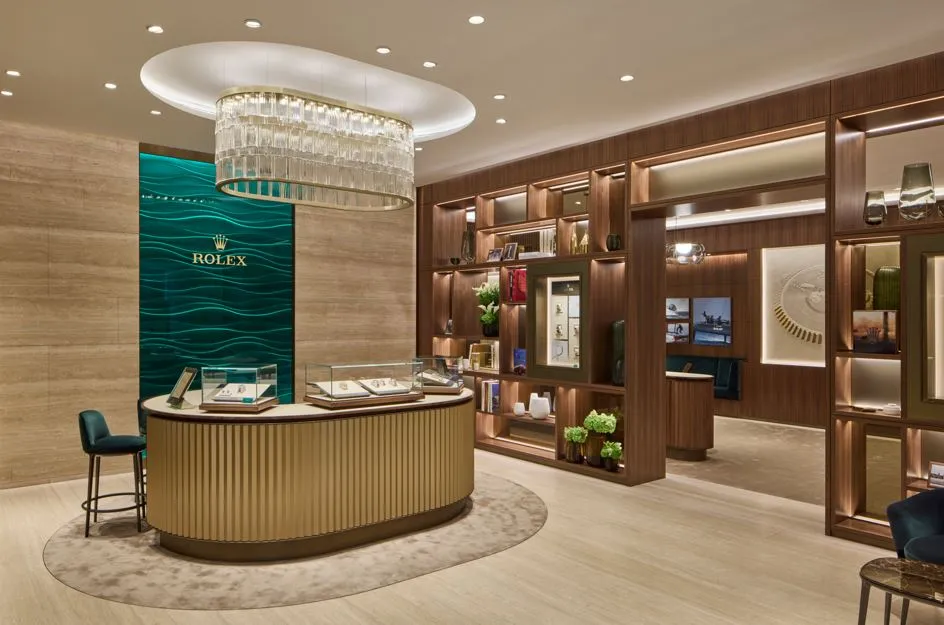
If you want to buy a Submariner from an AD in 2026, the realistic approach is: visit the AD, build a relationship with a sales representative, purchase something from the catalog (even a Datejust or an Air-King), express your interest in the specific reference you want, and wait. How long you wait depends on your purchase history, the specific AD, and the specific reference. For a black dial Submariner, realistic wait times at major metropolitan ADs are 12–24 months. For a Pepsi GMT, longer. For a Daytona, possibly years.
Route Two: The Pre-Owned and Gray Market
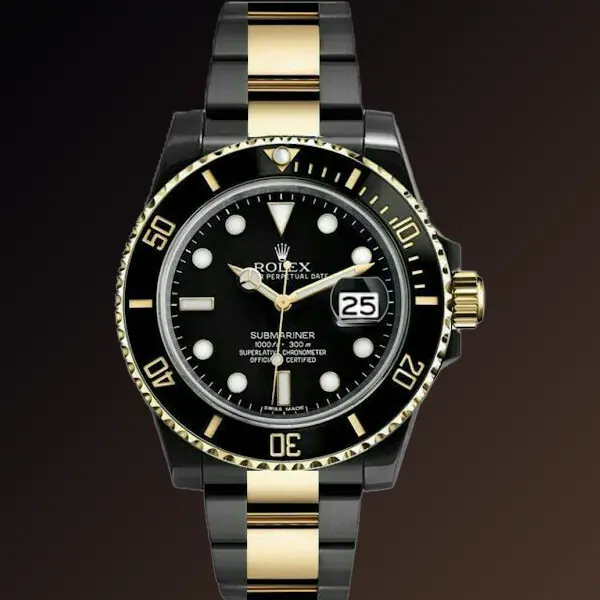
If you want a Rolex immediately and are willing to pay above retail, the secondary market offers options. The gray market — dealers who acquire allocation from ADs and sell at a premium — operates legally, and there are reputable gray market dealers who stand behind their product. The premium for common references like the Submariner LN is currently 15–25% above retail. For scarce references, it can be much higher.
The pre-owned market offers more value for someone not fixated on having a new watch. A pre-owned Submariner 116610LN from 2018 in excellent condition sells for $8,500–$10,000 — below or at par with new retail, and often representing better value because it's immediately available. The condition of a pre-owned Rolex is the critical variable: look for full service history, original box and papers, and purchase from a dealer who offers a warranty on the movement.
What to Know Before Buying Pre-Owned
The pre-owned Rolex market has a genuine authentication challenge. Frankenwatches — genuine Rolex cases and movements assembled with non-original dials, bezels, or hands — are common enough that buyers need to know what to look for. Our guide to identifying fake Rolexes covers the markers in detail. The short version: caseback engravings, dial printing under magnification, laser-etched Rolex crown at 6 o'clock on the crystal, and movement verification are the key checks.
Rolex's CPO (Certified Pre-Owned) program, accessible through Bucherer since the 2023 acquisition, offers manufacturer authentication for a growing inventory of pre-owned pieces. The premium over other pre-owned dealers is real, but the assurance is also real — you're getting a Rolex-backed authentication rather than a third-party opinion.
Route Three: The Super Clone Option
For a segment of the watch-buying population — probably larger than the industry admits — neither the AD waiting list nor the gray market premium makes sense. They want to wear the watch, not collect it. They want multiple watches, not one expensive one. They don't want to spend $10,000 on something they'll need to treat carefully.
The super clone market exists precisely for this segment. A tier-one super clone Submariner in 2026 offers 904L steel construction, a ceramic Cerachrom-formula bezel, sapphire crystal with anti-reflective coating, and a movement that achieves near-chronometer accuracy. The cost is $300–$600 depending on the specific model and manufacturer. The on-wrist experience is, for all practical purposes, identical to the genuine article.
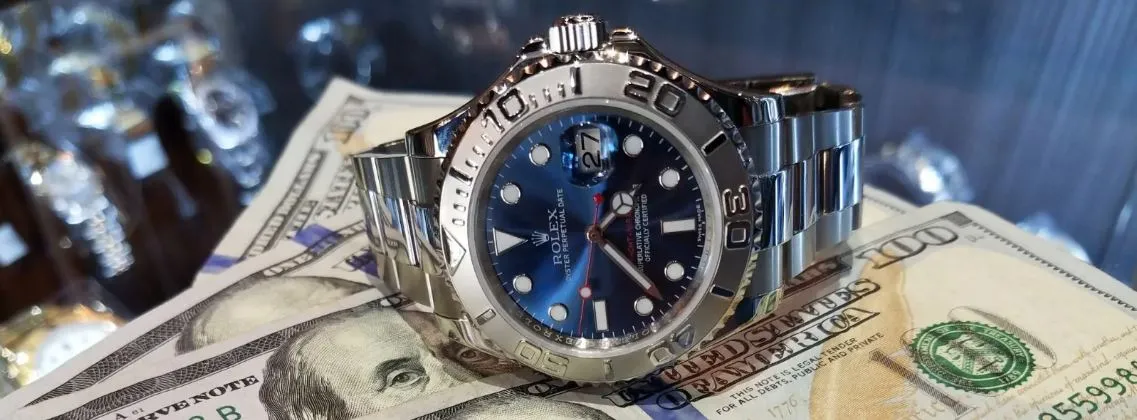
Our buying guide covers the super clone market in detail — what manufacturers to trust, what quality markers to verify, and which specific references are available in top-tier super clone form. For buyers who want to understand the difference between a quality super clone and a counterfeit, the guide makes that distinction clearly.
Which Route Is Right for You?
The answer depends on what you're actually buying the watch for. If you're purchasing a Rolex as an investment — expecting it to appreciate and potentially selling it in five to ten years — buy genuine from an AD or established pre-owned dealer. Provenance matters for investment value. A complete set with original box, papers, and warranty card is worth meaningfully more than the same watch without documentation.
If you're purchasing a Rolex to wear every day — to tell the time, to look good, to enjoy the design history of one of the world's finest watches — the calculus is different. A super clone worn daily for five years costs a fraction of what a genuine Rolex costs, experiences the same aesthetic pleasure, and doesn't require the anxiety of wearing an expensive object in a world that's hard on expensive objects.
If you're between these positions — someone who might sell eventually, who cares about provenance, but can't justify retail — a pre-owned genuine Rolex through a reputable dealer is probably your answer. The value retention of pre-owned Rolex is well-documented, and buying pre-owned lets you bypass the allocation system entirely.
After the Purchase: Care and Maintenance
Regardless of which route you take, a few maintenance principles apply. Rolex recommends servicing genuine watches every ten years under normal conditions — the calibre 3235's 70-hour power reserve and precision engineering are designed to run reliably for extended periods. Keep the crown screwed down when not setting the time. Rinse the watch with fresh water after salt water exposure. Avoid strong magnetic fields near precision electronic equipment.
For super clones, the same care principles apply, with one addition: establish a relationship with a watchmaker who services replica movements. The movement in a super clone requires the same periodic service as any mechanical watch — typically every 3–5 years for cleaning and lubrication.
Whichever path you choose, the Rolex you wear tells a specific story. Know the story. Know what you paid for. And enjoy it — because the best thing about any watch, genuine or super clone, is that it's on your wrist.
Start browsing our super clone collection or read more about the real reasons Rolex charges what it charges.