
Why Is a Rolex So Expensive? The Real Reasons Behind the Price
Updated for 2026 · 15 min read
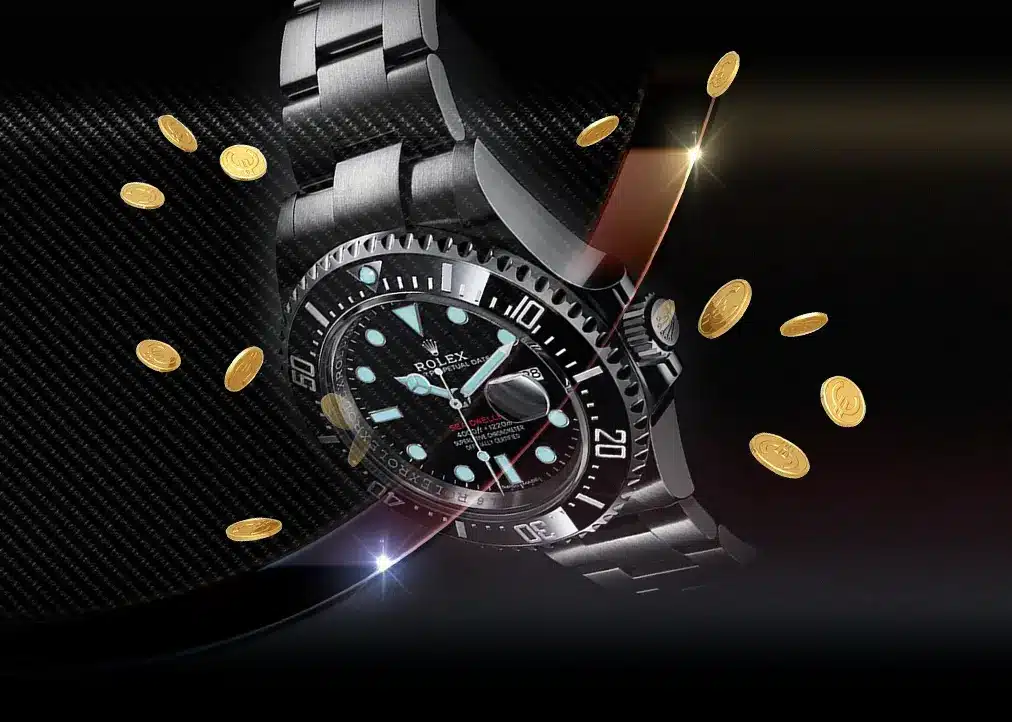
In 1945, when Hans Wilsdorf introduced the Datejust — the first self-winding watch to display the date in a window on the dial — he set the retail price at 7,000 Swiss francs. That was roughly equivalent to the annual salary of a skilled Swiss watchmaker at the time.
Rolex has always been expensive. Not expensive relative to other luxury brands — positioned alongside Patek Philippe and Audemars Piguet, a Rolex is practically affordable. But expensive relative to what most people consider reasonable for a time-telling device. A standard Rolex Submariner retails for $10,100 in 2026. A Day-Date in yellow gold starts at $39,650. A rainbow Daytona, if you can find one at retail (you almost certainly cannot), carries a price tag above $130,000.
So why? The honest answer has several layers, and not all of them are about manufacturing cost. Let's pull them apart.
The Materials: An Obsession With Over-Engineering
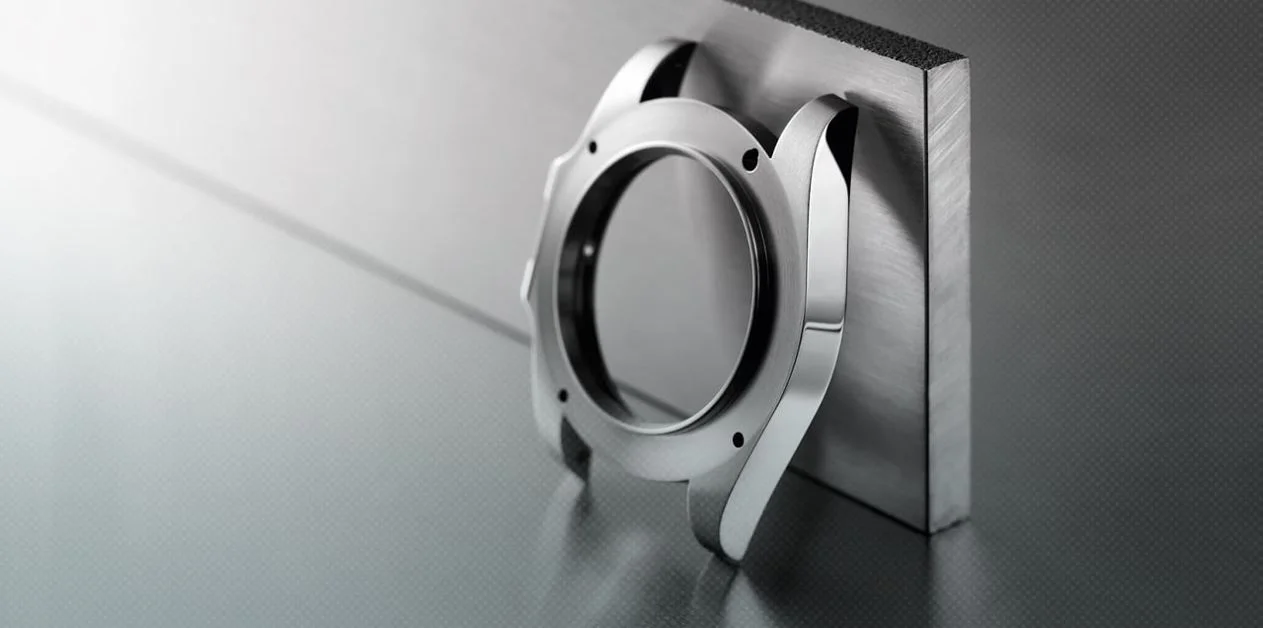
Most luxury watch brands use 316L stainless steel. It is excellent steel — surgical grade, corrosion-resistant, used in medical implants and aerospace components. Rolex uses 904L.
904L is a superalloy originally developed for the chemical processing industry, where exposure to concentrated acids and extreme temperatures demands materials that 316L simply cannot survive. It contains more chromium, more nickel, and more molybdenum than 316L, giving it superior corrosion resistance and a distinctive luminosity — a slightly warmer, brighter luster that is impossible to achieve with standard steel.
Working with 904L is significantly harder and more expensive than 316L. The alloy is harder on cutting tools, requires different machining protocols, and demands specialized polishing techniques. Most manufacturers won't touch it because the economics don't work at their scale. Rolex decided decades ago that it was worth it regardless of cost. Every steel Rolex — case, bracelet, clasp, crown — is 904L.
Then there's the sapphire crystal. Rolex grows its own synthetic sapphire in-house, machines each crystal from a single block, applies anti-reflective coating to the underside, and installs it with a double gasket system. You could drag a steel key across a Rolex crystal and leave no mark. The material is the second hardest substance on Earth after diamond (9 on the Mohs scale). This is overkill for a watch crystal. Rolex does it anyway.
The Movement: A Complete In-House Ecosystem
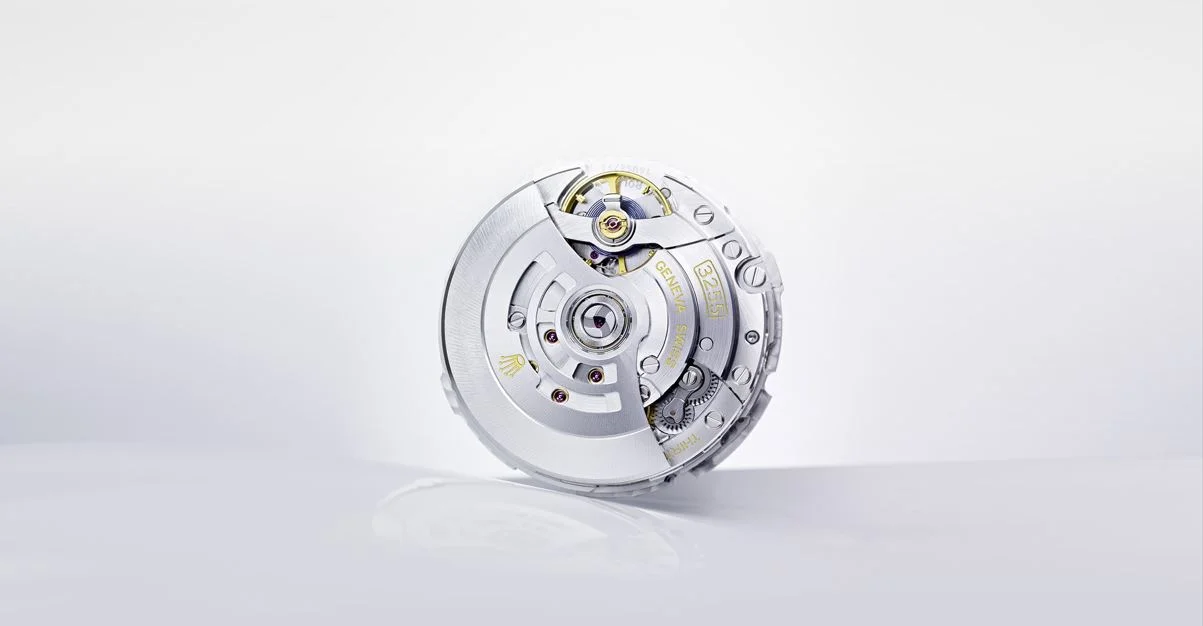
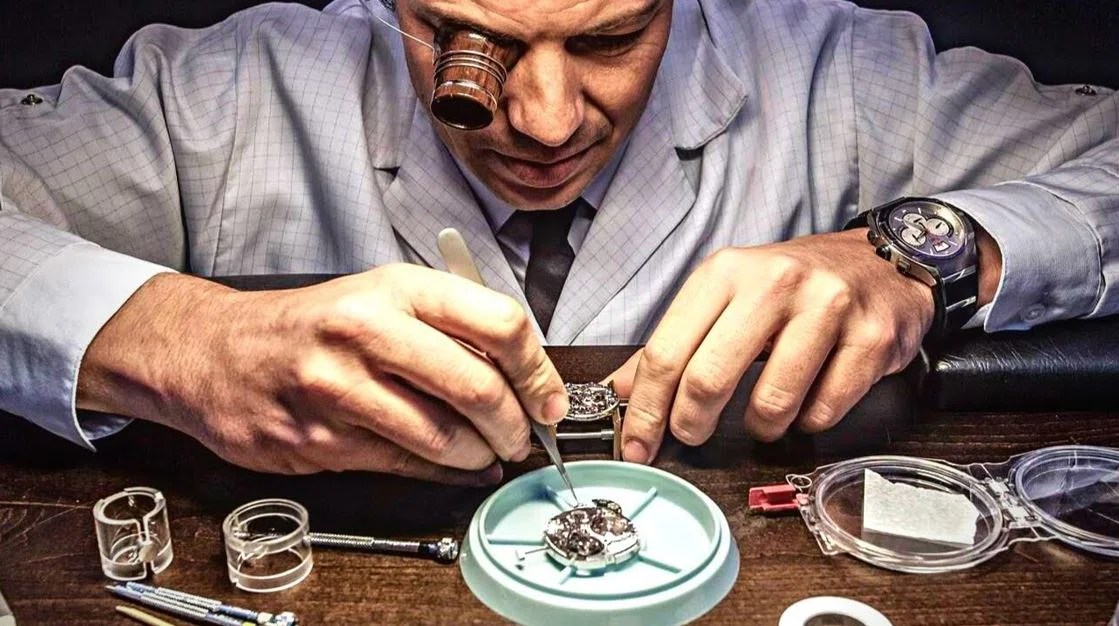
A Rolex movement is not purchased from an ébauche supplier and assembled. Every component — the escapement, the mainspring, the rotor, the balance wheel, the hairspring — is designed, manufactured, and assembled entirely by Rolex at their facilities in Geneva, Bienne, and Plan-les-Ouates. Rolex employs approximately 12,000 people. A significant portion of them exist entirely to produce movements.
The calibre 3235, which powers the modern Submariner, is one of the finest movements in mass-produced watchmaking. Its Chronergy escapement — a design Rolex patented in 2015 — improved the energy efficiency of the escapement mechanism by 15% compared to the already-excellent calibre 3135 it replaced. Its Syloxi hairspring is a proprietary silicon-based alloy developed by Rolex's in-house metallurgists that is paramagnetic (immune to magnetic interference), resistant to temperature variation, and more elastic than conventional hairsprings.
Every movement is tested as a Swiss chronometer before leaving the factory — meaning it must perform within -4/+6 seconds per day across five positions and three temperatures. In practice, Rolex ships movements that consistently perform to ±2 seconds per day. The power reserve is 70 hours. Wind it on Friday and it's still running Monday morning.
This level of vertical integration — designing and manufacturing every component yourself — is extremely expensive. It requires enormous capital investment in equipment and facilities. It requires thousands of highly trained, highly paid watchmakers. It requires years of R&D investment for each generation of movement. But it also means that Rolex controls every variable in the quality equation, which is why the watches perform as consistently as they do.
The Testing: What Most Brands Don't Do
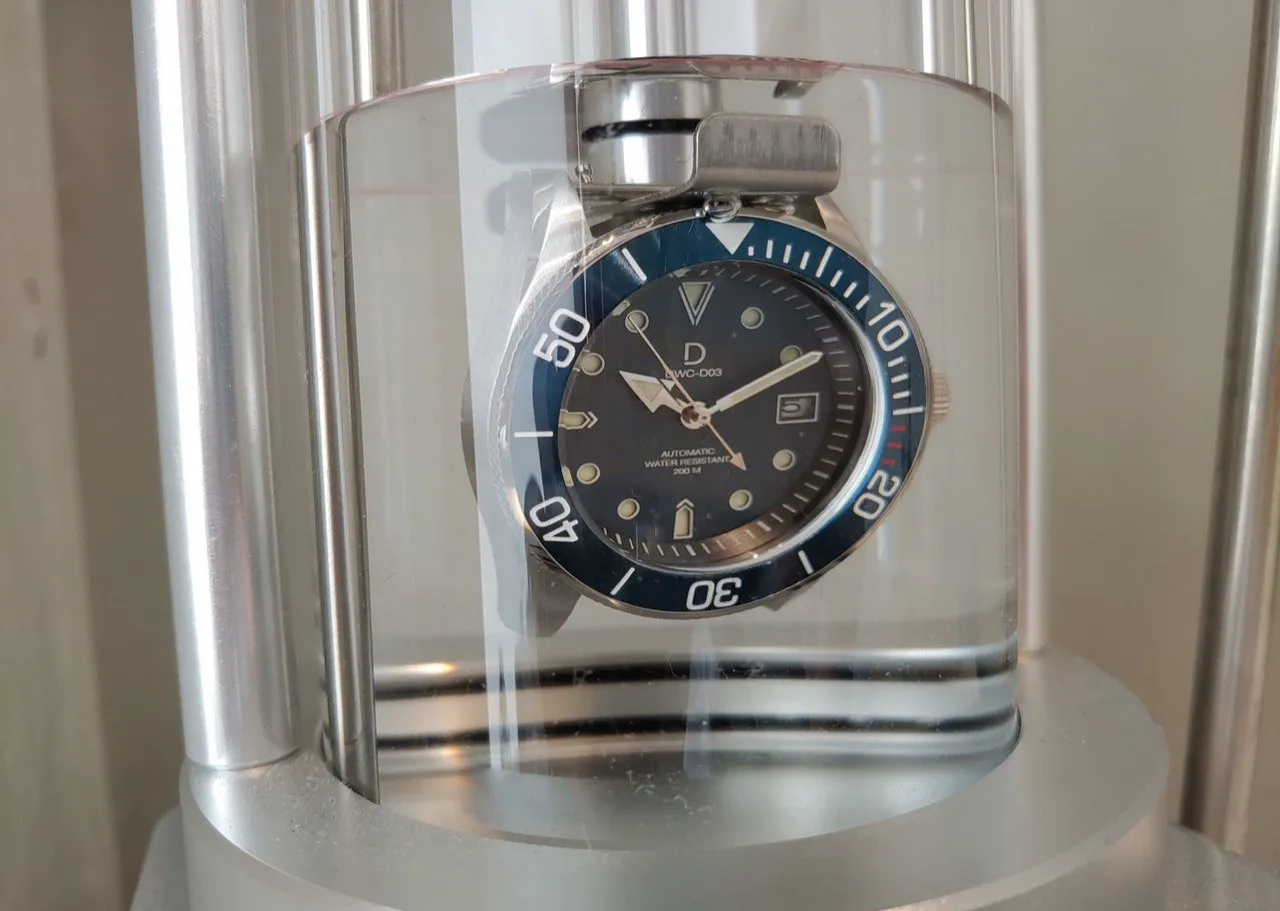
Before a Rolex leaves the factory, it has been subjected to testing that most luxury watch brands simply don't do. Water resistance testing — not just to rated depth but to double the rated depth, ensuring a safety margin. Timing accuracy testing across multiple positions. Shock resistance testing. Magnetic resistance testing.
Every single watch. Not batch-tested. Not sampled. Every watch.
The Rolex "green seal" certification that appears in the documentation accompanying each watch represents a claim that the specific watch in the box has been individually tested and certified to these standards. This quality assurance infrastructure costs money — substantial money — and that cost is embedded in the retail price.
The Scarcity Equation: Deliberate Under-Production
Here is the part of the story that isn't about manufacturing at all.
Rolex produces approximately one million watches per year. This number is almost certainly fewer than they could produce — the manufacturing infrastructure exists for significantly higher volumes. But Rolex deliberately limits production. Not to artificially inflate prices — though scarcity does maintain resale values — but to maintain the exclusivity that is fundamental to their brand proposition.
A watch that everyone can walk into a store and buy is not a luxury good. It is a nice watch. The experience of wanting a Rolex and being unable to easily obtain one — the relationship with an authorized dealer, the waiting list, the moment of finally receiving the watch — is part of what you are paying for. This sounds cynical, but it is simply how luxury economics function: scarcity is value.
The result in 2026 is that popular references — the Submariner, the Daytona, the GMT- Master II Pepsi — have secondary market prices substantially above retail. A Daytona Panda (reference 126500LN) retails for $14,550. Its secondary market price is $28,000-35,000. Rolex doesn't capture this premium — their authorized dealers don't charge above retail. The secondary market does. But the existence of this premium reinforces the perception that Rolex watches are investments, not purchases, which sustains demand, which sustains prices.
The Brand Capital: 121 Years of Trust
Hans Wilsdorf founded Rolex in 1905. In the 121 years since, the brand has built an association with precision, achievement, and endurance that no amount of marketing spending could purchase today. It was built through actual achievements: the first waterproof wristwatch, the first self-winding mechanism to display the date, the first watch to be worn on the summit of Everest, the standard equipment of deep-sea divers and professional athletes for decades.
When you buy a Rolex, you are not just buying a watch. You are buying into a narrative that has been associated with excellence for over a century. That narrative has tangible value — value in how people perceive you when they see the crown on your wrist, value in the confidence you feel wearing it, value in the conversation it starts.
Can you get the same time-reading capability from a Casio? Yes. Can you get a Swiss-made chronometer-quality movement for $500 from Longines? Yes. Can you get the feel of wearing a Rolex on your wrist — and everything that comes with it — for a fraction of the price from a premium superclone Rolex? Also yes, increasingly.
The choice between them is ultimately a question of values, priorities, and what you want from a watch. Our buying guide walks through the decision honestly. And if you're curious about what the superclone experience actually delivers, read our piece on the rise of superclone technology — the gap has narrowed considerably.
The Short Answer
A Rolex is expensive because: it uses the best available materials, manufactured to exceptionally tight tolerances, in a completely vertically integrated production system, tested individually to the highest standards, and sold under a brand name that carries 121 years of genuine achievement. The premium above comparable luxury watches from other brands represents a combination of genuine quality differential and brand capital that no other watchmaker can currently match.
Whether that premium is worth it for you personally — that is the only question that matters. And only you can answer it.