
Why Is a Rolex Watch So Expensive?
Updated for 2026 · 14 min read
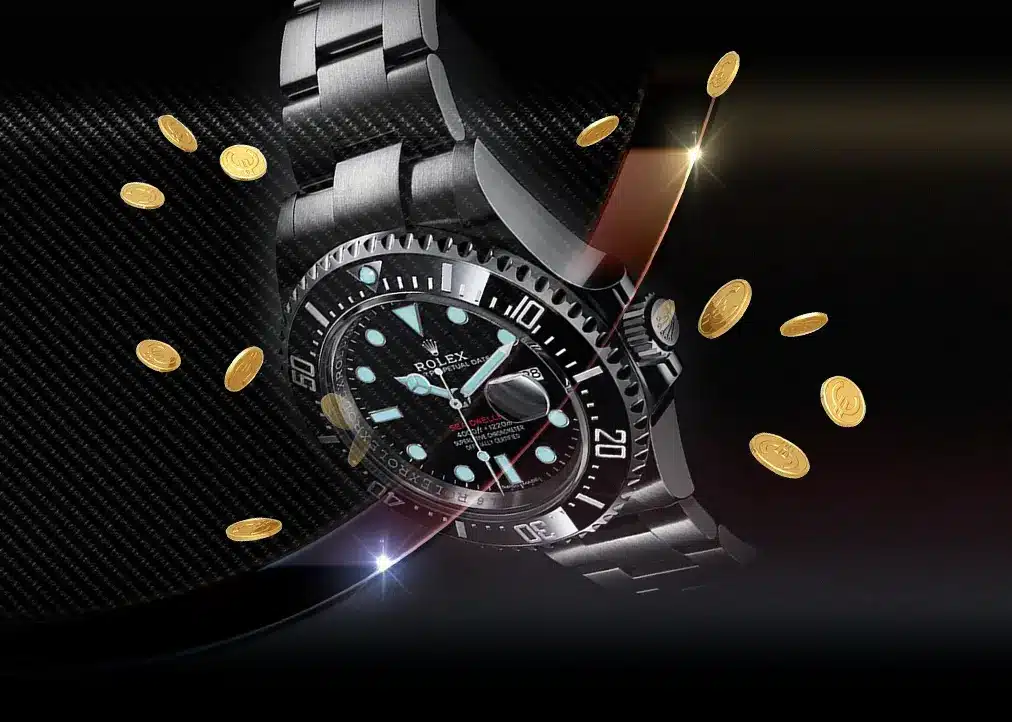
In 1905, a 24-year-old German named Hans Wilsdorf arrived in London with an idea that everyone thought was crazy: he wanted to make wristwatches that were as precise as pocket watches. At the time, wristwatches were considered jewelry for women — imprecise, fragile, and not to be taken seriously. Pocket watches were what real men carried.
Wilsdorf didn't just prove the skeptics wrong. He built an empire that, 121 years later, produces the most sought-after luxury product on Earth. A standard Rolex Submariner retails for $9,100 in 2026. A Day-Date in yellow gold starts at $38,900. A rainbow Daytona will set you back over $130,000 — if you can even find one.
But why? What makes a Rolex worth more than a car? The answer isn't simple, and it isn't just marketing. There are real, tangible reasons why Rolex commands these prices — and understanding them makes the world of high-quality replica Rolex watches even more fascinating.
The Materials: Where Science Meets Luxury
Let's start with what a Rolex is made of, because this is where most luxury watch brands cut corners — and where Rolex refuses to.
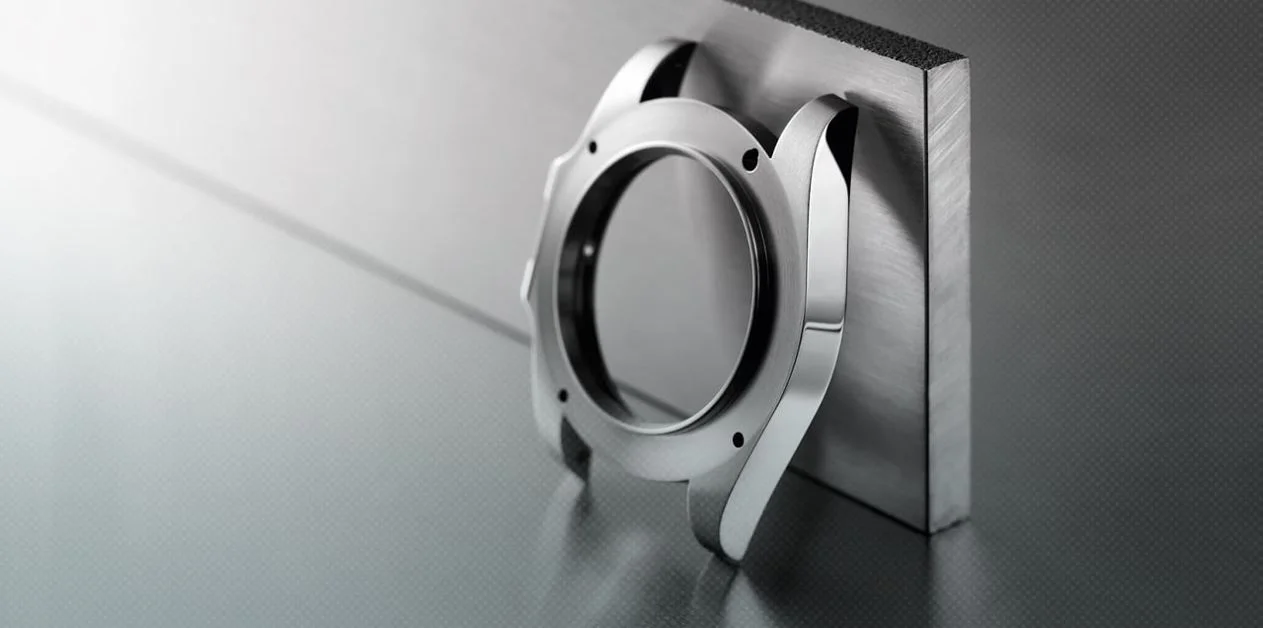
Most watch manufacturers use 316L stainless steel. It's perfectly good steel — surgical grade, corrosion-resistant, used across the medical and aerospace industries. But Rolex chose 904L instead. This superalloy was originally developed for chemical processing environments where exposure to acids and extreme temperatures would destroy lesser metals. It contains more chromium, more molybdenum, and more nickel than 316L, giving it superior corrosion resistance and a distinctive luster that's subtly different — almost warmer — than standard stainless steel.
Working with 904L is significantly more difficult and expensive. It's harder on tooling, requires different machining techniques, and demands specialized polishing. Most manufacturers won't touch it because the cost-benefit analysis doesn't make sense for them. Rolex uses it for everything — cases, bracelets, clasps, even the crown. It's one of those decisions that most customers will never consciously notice but will subconsciously feel every time they put the watch on.
Then there's the sapphire crystal. Rolex grows its own synthetic sapphire — the second hardest material after diamond (9 on the Mohs scale). Each crystal is machined from a single block of sapphire, polished to optical perfection, and fitted with Rolex's signature Cyclops magnifying lens. You could drag a key across a Rolex crystal and it wouldn't scratch. Try that with mineral glass.
The Design: 121 Years of Refinement
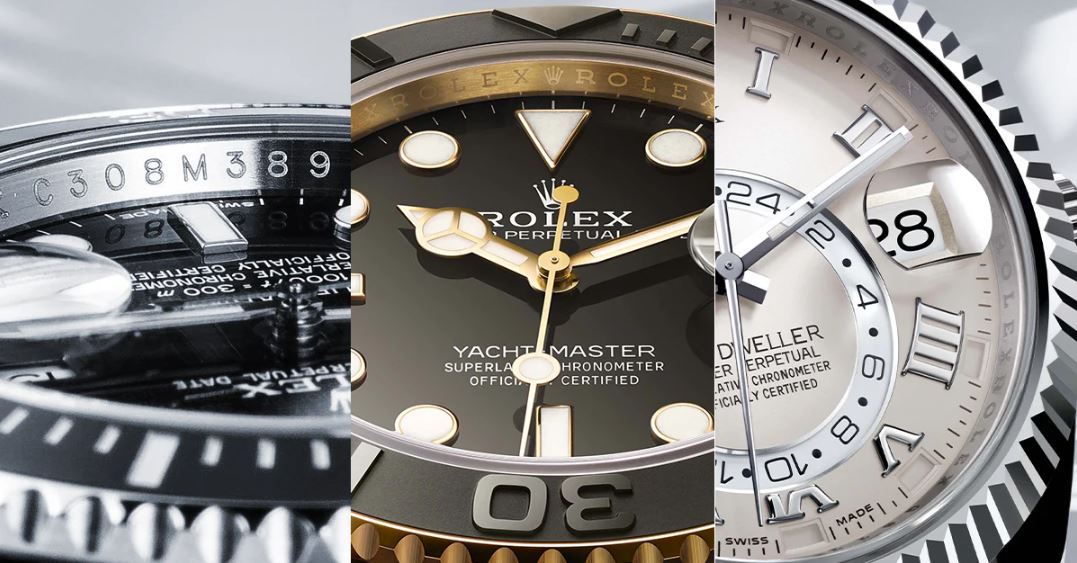
Rolex's design philosophy can be summarized in one word: evolution, not revolution. The Submariner has been recognizable as a Submariner for over seventy years. The Datejust still looks like a Datejust. The Day-Date still carries the same fundamental proportions as the 1956 original.
But look closer and you'll see that every generation has been subtly refined. Lugs have been reshaped. Bezel proportions have been adjusted by fractions of a millimeter. Dial printing has become sharper. Crown guards have been redesigned for better water resistance. These aren't changes you see in press releases — they're changes you feel when you compare a 2006 Submariner with a 2026 Submariner side by side.
Rolex employs some of the world's finest industrial designers, and they work with constraints that would frustrate designers in most other fields. They can't radically change a successful design. They can't follow trends. They can only make what already works... work slightly better. This discipline — this almost Japanese concept of kaizen, continuous improvement — is extraordinarily expensive to maintain.
The Manufacture: Vertical Integration at Scale
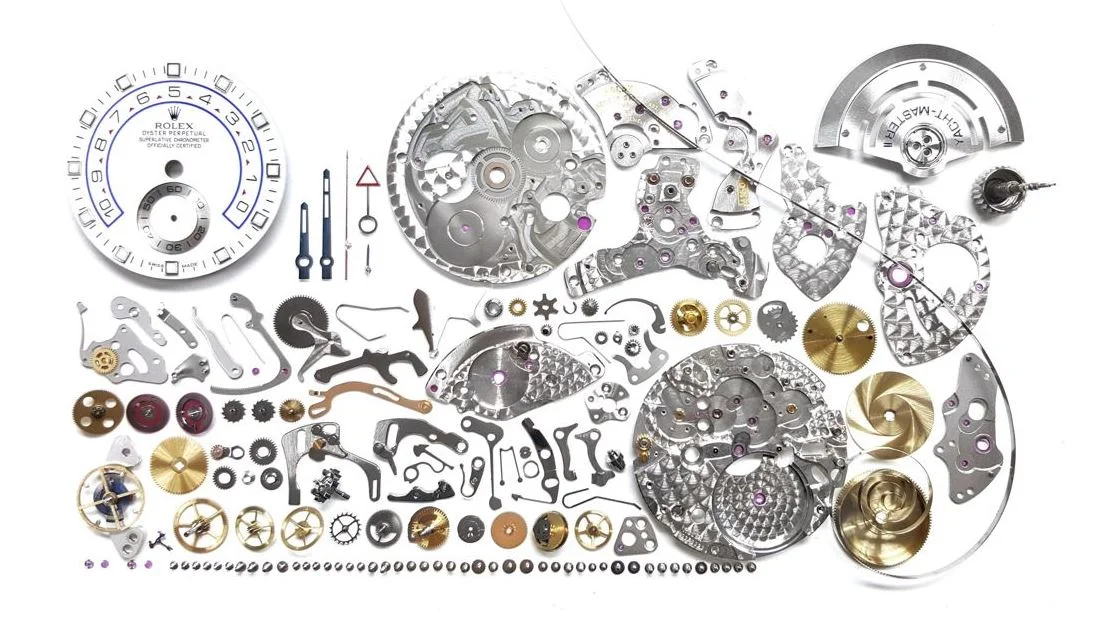
Here's something most people don't know: Rolex makes virtually everything in-house. They don't buy movements from ETA like most Swiss brands. They don't outsource case manufacturing. They don't contract out dial production. Rolex has its own foundry where it creates its own gold alloys (including the proprietary Everose gold that won't fade over time). They have their own gemology lab. They make their own tools.
This level of vertical integration is almost unheard of in the watch industry. It means Rolex controls quality at every single stage of production — from the raw metal ingot to the finished watch in its green box. When a Submariner leaves the factory, Rolex has touched every component hundreds of times, testing and retesting at each step.
The movements alone undergo testing that borders on obsessive. Every Rolex movement is first certified by COSC (Contrôle Officiel Suisse des Chronomètres) as a chronometer — accurate to -4/+6 seconds per day. But Rolex considers that insufficient. They then subject each completed watch to their own Superlative Chronometer testing, demanding accuracy of -2/+2 seconds per day, along with water resistance, power reserve, and winding efficiency tests. The green seal on every modern Rolex represents this double certification.
All of this costs money. Enormous amounts of money. Rolex's four manufacturing facilities in Switzerland employ over 9,000 people. Their annual R&D spend is estimated in the hundreds of millions. This infrastructure — invisible to the end customer — is a significant part of what you pay for.
The Warranty and After-Sales Service
Rolex offers a five-year warranty on all watches purchased from authorized dealers — one of the longest in the industry. But the real value of Rolex ownership extends far beyond the warranty period. Rolex service centers exist in most major cities, and the brand commits to servicing its watches for decades after purchase. Send in a 1980s Submariner for a service, and Rolex will return it running like new.
A full Rolex service — which includes disassembly, cleaning, replacement of worn components, relubrication, reassembly, and retesting — typically costs $800–$1,200 depending on the model and required work. It's not cheap, but it's a fraction of the watch's value, and it ensures the timepiece will last another decade or more. This long-term serviceability is factored into the purchase price.
The Scarcity: Manufactured or Real?
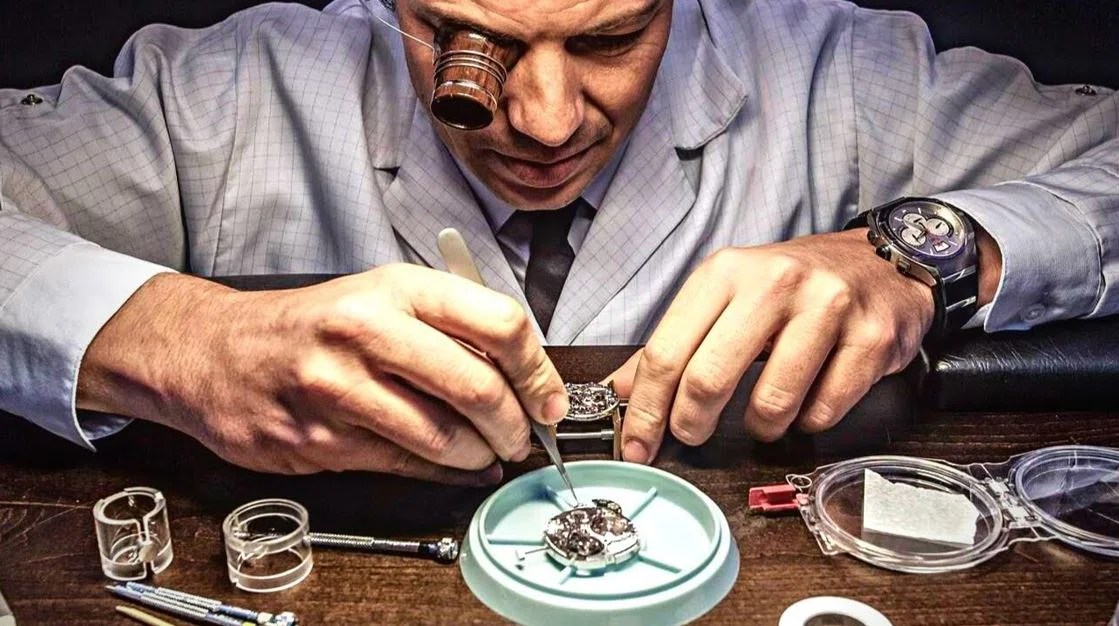
Here's where the story gets interesting — and a little controversial. Rolex produces approximately 1.2 million watches per year, making it by far the largest luxury watch manufacturer in the world. Yet you can't walk into a store and buy a Submariner, a Daytona, or a GMT-Master II. Why?
Rolex says it's because demand genuinely exceeds supply, and they refuse to compromise quality by increasing production speed. Skeptics argue that Rolex deliberately restricts supply to maintain scarcity and inflated secondary market prices. The truth is probably somewhere in between.
What's undeniable is that this scarcity has created a parallel economy. Grey market dealers, pre-owned platforms, and collector networks trade Rolex watches at significant premiums. A Daytona that retails for $14,800 might trade for $30,000+ on the grey market. This speculative premium is real money that buyers pay, but it doesn't go to Rolex — it goes to intermediaries.
This is precisely the dynamic that has fueled the super clone market. When the gap between retail and actual acquisition cost grows wide enough, alternative paths become not just attractive but logical. If the watch you want costs $15,000 at retail but $30,000 in reality, and a super clone offers 95% of the experience for a fraction of either price — the math starts to speak for itself.
The Investment Angle
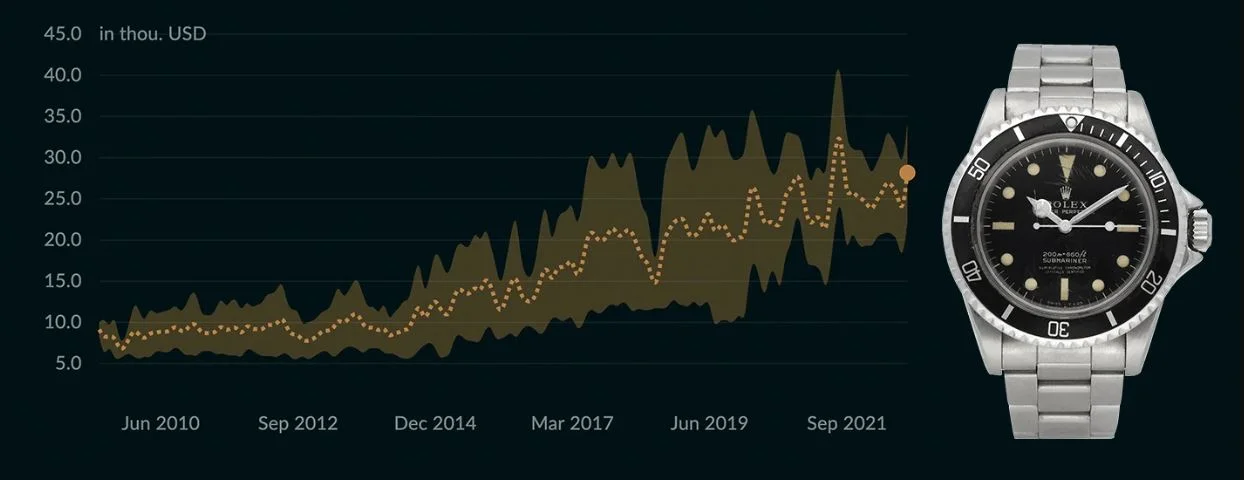
Part of what justifies Rolex prices is the brand's remarkable value retention. Unlike cars, electronics, or most luxury goods, many Rolex watches actually appreciate over time. A Submariner purchased at retail in 2015 for $8,050 is worth $12,000+ today. A Daytona purchased in 2016 has nearly tripled. Certain vintage references have increased tenfold or more.
But — and this is important — past performance doesn't guarantee future returns. The Rolex market has cooled from its 2022 peak, and some models that were trading at 3x retail are now closer to 1.5x. Buying a Rolex purely as an investment is risky. Buying one because you love it and hoping it holds value is wiser.
This is another area where super clones make honest sense. If you want the Rolex experience — the look, the feel, the daily wearing pleasure — without the investment risk or the speculative premium, a high-quality super clone delivers exactly that. You're buying a watch, not a stock certificate.
The Brand: More Powerful Than Any Advertisement
Rolex is the most recognized luxury brand on Earth. It sponsors Wimbledon, the Masters, Formula 1, and the Oscars. It has been worn by presidents, astronauts, mountaineers, and movie stars. The word "Rolex" has become synonymous with success itself — a cultural shorthand that transcends language and geography.
Building this kind of brand equity takes over a century of consistent excellence and billions in marketing investment. It's an intangible asset that adds real, quantifiable value to every watch that carries the crown logo. When you buy a Rolex, you're buying into this ecosystem — this cultural weight — as much as you're buying a timekeeping instrument.
Whether that cultural premium justifies the price is a personal decision. What's not in question is that the underlying product — the engineering, the materials, the craftsmanship — is genuinely world-class. That's the part that super clones can replicate. The brand, of course, remains Rolex's alone.
So Is a Rolex Worth It?
Here's the honest answer: it depends on what "worth it" means to you.
If you value brand prestige, investment potential, and the knowledge that every component was made by Rolex in Switzerland, then yes — a genuine Rolex is worth every penny. It's a masterpiece of engineering and marketing that has proven itself for over a century.
If you value the physical experience — the weight of 904L steel on your wrist, the smooth sweep of a mechanical movement, the sharp click of a ceramic bezel, the visual beauty of a perfectly executed dial — then a super clone offers the same experience at a fundamentally different price point.
Both paths are valid. Both result in a beautiful watch on your wrist. The difference is what story you want to tell — and how much you want to pay for it.
Curious about the details? Our buying guide explains exactly what goes into our super clones. Our fake vs. real comparison shows you the specifics, side by side. And our collection lets you experience the result.
Hans Wilsdorf started with a crazy idea in 1905. A century later, that idea still moves the world. The question isn't whether Rolex is worth it — it's which path to Rolex makes the most sense for you.