
How to Purchase a Rolex Watch in 2026: The Complete Guide
Updated 2026 · 6 min read
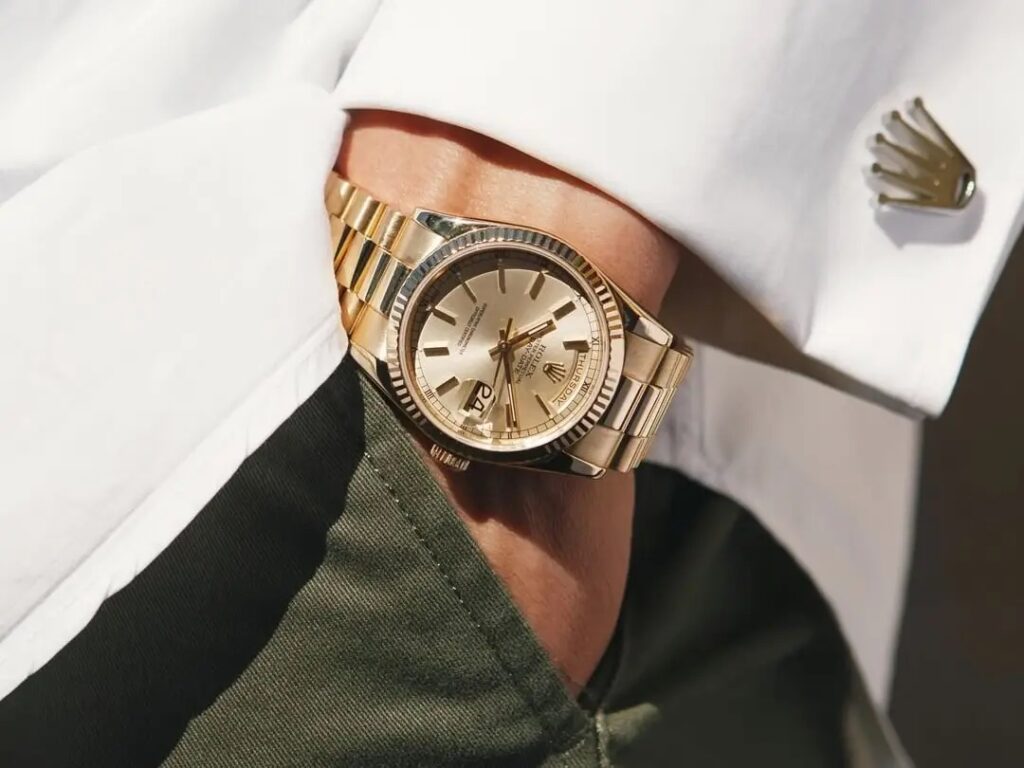
In 1978, you walked into a jewelry store, pointed at the Submariner in the case, and paid the price on the tag. You walked out wearing it. The whole thing took about twenty minutes. Rolex made enough watches to meet demand, and the waiting list that now defines Rolex retail did not yet exist. The gray market barely existed either. Speculation was a handful of vintage dealers, no more.
Forty-eight years later, buying a Rolex is one of the strangest experiences in retail. Authorized dealers run waiting lists that never seem to clear. Popular references demand "purchase history." You have to spend real money at an AD before they will consider you for allocation. The secondary market runs at premiums that sometimes hit 100% of retail on the hottest pieces. So a growing number of buyers turn to the super clone market. It is a sane answer to a system built to shut them out. If you are new to super clones and want the lay of the land, our start here guide for new buyers is the place to begin.
This guide covers every route.
Route One: The Authorized Dealer
The authorized dealer (AD) is still the best channel for a genuine Rolex. You buy new, with the manufacturer's warranty, from a vetted retailer who answers to the brand. If something goes wrong inside the warranty period, the fix is simple. You also get the full Rolex box, papers, and warranty card. That set matters a lot for resale value.
The hard part is getting the watch you actually want. The allocation system runs like this. Rolex ships a fixed number of watches to each AD every year. The popular sports references get far less stock than demand needs: the Submariner, the GMT-Master II, the Daytona, and now the Land-Dweller. ADs hand these pieces to their best customers first. In practice that means the people who have spent the most. It also rewards buyers of watches the dealer finds easy to move, such as Datejusts, Day-Dates, and the quieter references.
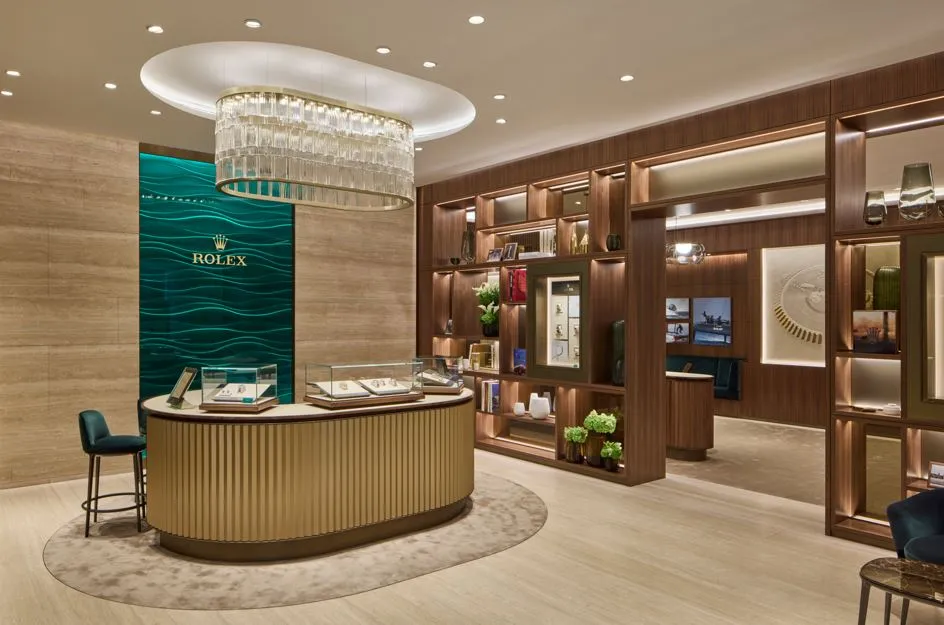
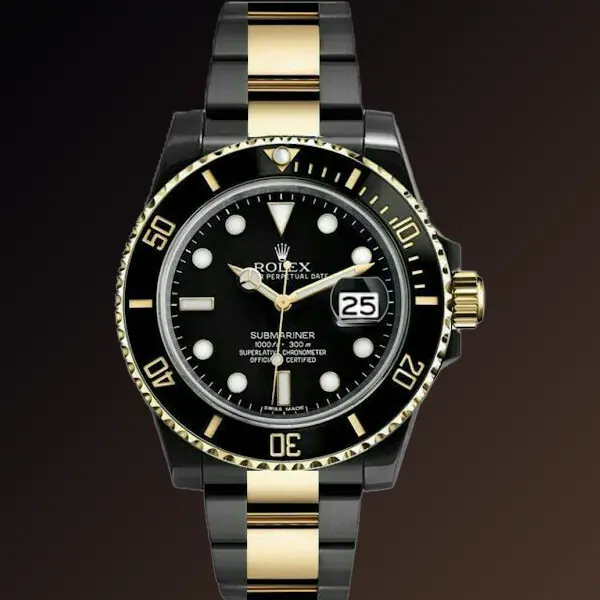
So how do you land a Submariner from an AD in 2026? Start by visiting the dealer and getting to know a sales rep. Buy something from the catalog, even a Datejust or an Air-King. Tell them which reference you want. Then wait. The wait depends on your purchase history, the dealer, and the reference. A black dial Submariner runs 12 to 24 months at major metropolitan ADs. A Pepsi GMT takes longer. A Daytona can take years.
Route Two: The Pre-Owned and Gray Market
Want a Rolex now and willing to pay above retail? The secondary market has options. The gray market is legal. These are dealers who buy allocation from ADs and sell it on at a markup, and the good ones stand behind what they sell. A common reference like the Submariner LN carries a 15 to 25% premium over retail today. Scarce references run much higher.
The pre-owned market gives you more for your money if a brand new watch is not the point. A 2018 Submariner 116610LN in excellent condition sells for $8,500 to $10,000. That is below or level with new retail, and it ships now. Condition is the thing that matters most here. Look for full service history and the original box and papers. Buy from a dealer who warranties the movement.
What to Know Before Buying Pre-Owned
The pre-owned Rolex market has a real authentication problem. Frankenwatches are common enough to watch for: a genuine Rolex case and movement rebuilt with non-original dials, bezels, or hands. Our guide to judging a Rolex super clone covers the markers in detail. Four checks do most of the work. Read the caseback engravings. Study the dial printing under magnification. Find the laser-etched Rolex crown at 6 o'clock on the crystal. Then verify the movement.
Rolex now runs a CPO (Certified Pre-Owned) program through Bucherer, which it bought in 2023. It authenticates a growing pool of pre-owned pieces at the factory level. You pay a premium over other pre-owned dealers, but you get a Rolex-backed check instead of a third-party opinion. That trade is often worth it.
Route Three: The Super Clone Option
For a slice of watch buyers, neither the AD waiting list nor the gray market premium adds up. That slice is larger than the industry likes to admit. They want to wear the watch, not collect it. They want several watches, not one costly one. They have no interest in dropping $10,000 on something they then have to baby.
The super clone market exists for these buyers. Take a tier-one super clone Submariner in 2026. It uses 904L steel construction and a ceramic Cerachrom-formula bezel. The crystal is sapphire with an anti-reflective coating. The movement holds near-chronometer accuracy. Price runs $300 to $600, depending on the model and the maker. On the wrist it feels, for any practical purpose, like the real thing. Not sure which model fits your wrist or your taste? Our find your match tool narrows it down fast.
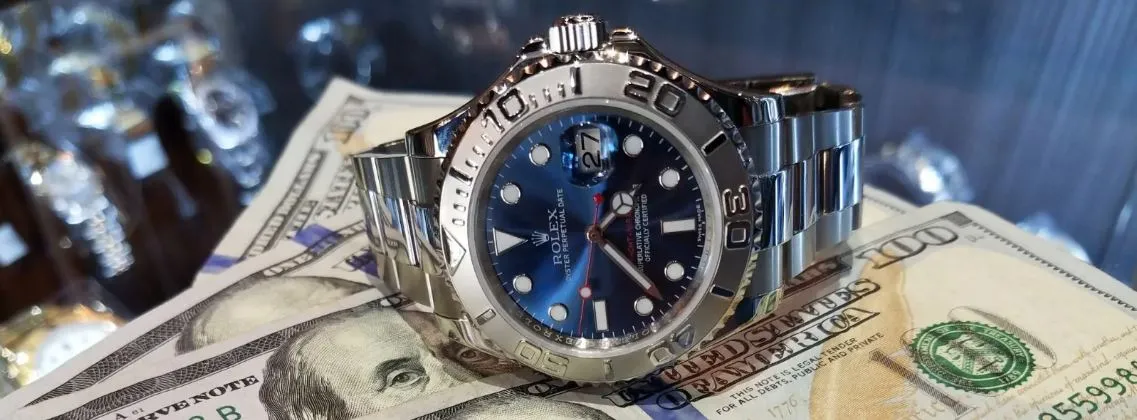
Our buying guide goes deep on the super clone market. It covers which makers to trust and which quality markers to verify. It shows which references you can get in top-tier super clone form. It also draws a clear line between a quality super clone and the bottom of the market.
Which Route Is Right for You?
The answer comes down to why you are buying the watch. Buying it as an investment? If you expect it to appreciate and plan to sell in five to ten years, buy genuine from an AD or an established pre-owned dealer. With an investment, a clear paper trail is what holds the value. A complete set with the original box, papers, and warranty card is worth far more than the same watch with no documentation.
Buying a Rolex to wear every day is a different calculation. You want to tell the time, look good, and enjoy the design history of one of the world's finest watches. A super clone worn daily for five years costs a fraction of the genuine piece. It gives you the same look. And it spares you the worry of wearing something expensive in a world that is rough on expensive things.
Sitting between the two? Maybe you will sell one day, you care about provenance, but you cannot stomach retail. A pre-owned genuine Rolex from a reputable dealer is your answer. Pre-owned Rolex holds its value well, and it lets you skip the allocation system altogether.
After the Purchase: Care and Maintenance
A few care rules apply no matter which route you take. Rolex says to service a genuine watch every ten years under normal use. The calibre 3235 backs that up: its 70-hour power reserve and precision build run reliably over long stretches. Keep the crown screwed down when you are not setting the time. Rinse the watch in fresh water after salt water. Keep it clear of strong magnetic fields near precision electronics.
Super clones follow the same rules, with one addition. Find a watchmaker who services clone movements. A super clone movement needs the same periodic service as any mechanical watch, usually every 3 to 5 years for cleaning and lubrication.
Whichever path you choose, the Rolex on your wrist tells a story. Know that story. Know what you paid for. Then enjoy it, because the best thing about any watch, genuine or super clone, is that it is on your wrist.
Start browsing our super clone collection or read more about the real reasons Rolex charges what it charges .